

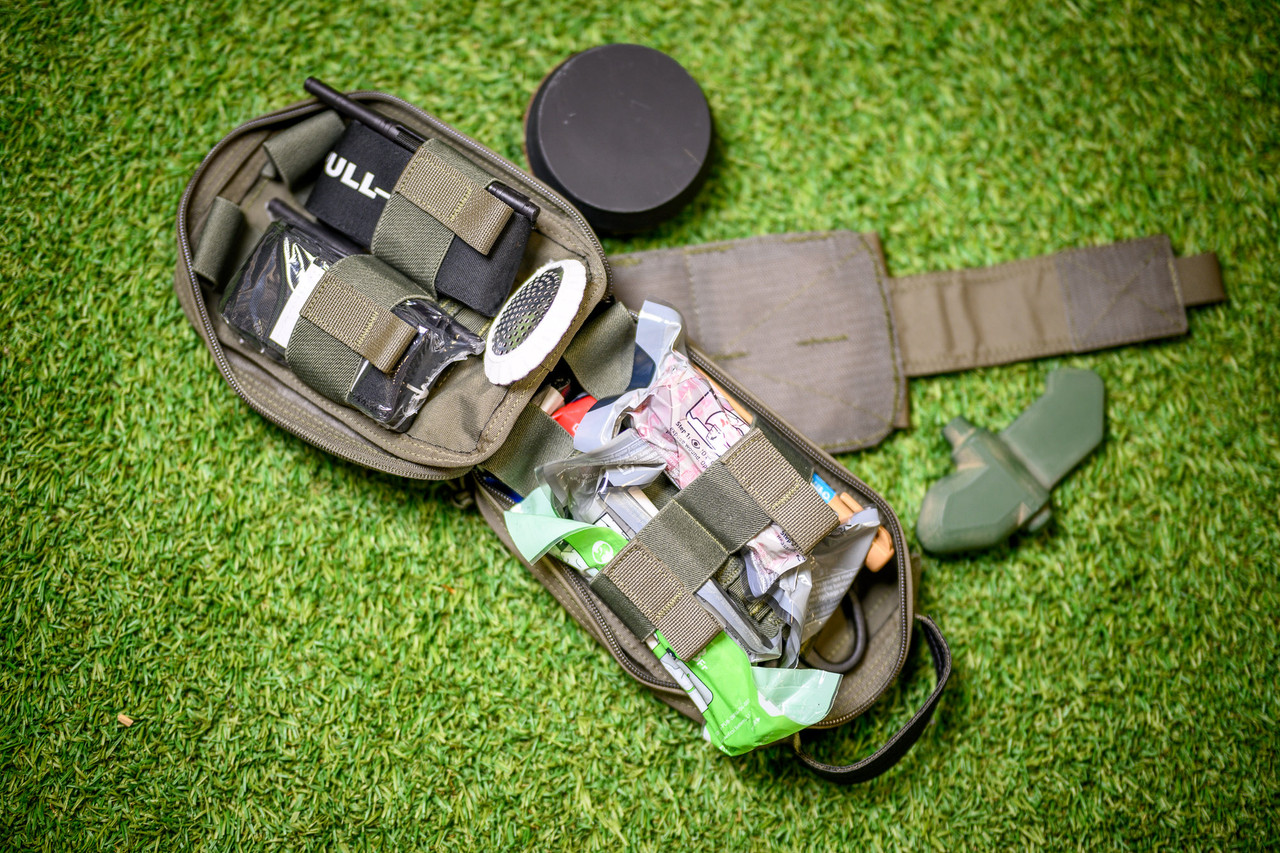
Team IFAK, or Individual First Aid Kit adapted for teams, is a crucial resource in various scenarios, from military operations to outdoor adventures and industrial workplaces. This article will delve into the details of Team IFAK, including its components, importance, customization, training, and real – world applications.
Components of Team IFAK
The Team IFAK is a collection of essential medical supplies designed to provide immediate care in emergency situations. One of the most critical components is the hemostatic agent. These are substances used to control severe bleeding. For example, QuikClot is a well – known hemostatic agent that works by promoting blood clotting. In a military combat situation, a soldier who has suffered a gunshot wound with heavy bleeding can have QuikClot applied to the wound to stop the bleeding quickly, potentially saving their life.
Bandages are another vital part of the kit. Pressure bandages are used to apply pressure to wounds to control bleeding. Elastic bandages can be used to immobilize injured joints or limbs. For instance, in a sports team, if an athlete sprains their ankle during a game, an elastic bandage can be wrapped around the ankle to provide support and reduce swelling.
Tourniquets are also included. They are used in extreme cases where direct pressure and hemostatic agents are not sufficient to control bleeding. A tourniquet is tightened around a limb to cut off the blood flow. In a wilderness setting, if a hiker gets their leg severely lacerated by a sharp rock and is far from medical help, a tourniquet can be a life – saving measure until they can reach a proper medical facility.
Other components may include wound dressings, such as sterile gauze pads, which are used to cover and protect open wounds from infection. Antiseptic wipes are also present to clean the wound area before applying dressings. Additionally, items like scissors, tweezers, and gloves are included for proper handling of medical procedures.
Importance of Team IFAK
In military operations, the Team IFAK is of utmost importance. In combat zones, soldiers may be exposed to various life – threatening injuries, such as gunshot wounds, shrapnel injuries, and burns. The immediate availability of a well – equipped Team IFAK can significantly increase the chances of survival for injured soldiers. For example, during the Iraq and Afghanistan wars, the use of advanced hemostatic agents in Team IFAKs has been credited with saving many lives by quickly controlling severe bleeding on the battlefield.
In the industrial sector, Team IFAKs are essential for worker safety. In factories, construction sites, and mines, workers are at risk of accidents that can cause injuries. A Team IFAK can provide immediate first – aid treatment until professional medical help arrives. For instance, in a construction site, if a worker falls and sustains a deep cut, the on – site Team IFAK can be used to stop the bleeding and clean the wound, preventing further complications.
For outdoor enthusiasts, such as hikers, climbers, and campers, a Team IFAK is a must – have. When venturing into remote areas, medical help may be hours or even days away. A well – stocked Team IFAK can handle common injuries like cuts, sprains, and insect bites. For example, a group of climbers on a high – altitude mountain may encounter a team member with a frostbite injury. The Team IFAK can provide the necessary supplies to start treating the frostbite and prevent it from getting worse.
Customization of Team IFAK
One of the great advantages of Team IFAK is its customizability. Different teams have different needs based on their activities and environments. For a search – and – rescue team, the Team IFAK may need to be more focused on treating trauma injuries. They may include additional items like splints for broken bones, as they are likely to encounter victims with fractures during their operations. For example, if a search – and – rescue team is working in an earthquake – affected area, they may come across many people with broken limbs, and having proper splints in their Team IFAK is crucial.
A diving team’s Team IFAK will have specific items related to diving injuries. This may include supplies for treating decompression sickness, such as oxygen tanks and medications. Decompression sickness, also known as “the bends,” can occur when divers ascend too quickly. Having the right equipment in the Team IFAK can start the initial treatment process while waiting for specialized medical help.
For a corporate team that frequently travels for business, the Team IFAK may be more focused on common ailments like colds, allergies, and minor injuries. It may include over – the – counter medications for pain relief, antihistamines for allergies, and basic wound care supplies. For example, if a team member gets a minor cut during a business trip, the Team IFAK can provide the necessary supplies to clean and bandage the wound.
Training for Using Team IFAK
Having a Team IFAK is not enough; team members need to be properly trained to use it effectively. In the military, soldiers undergo extensive first – aid training that includes using the Team IFAK. They learn how to identify different types of injuries, how to apply hemostatic agents correctly, and how to use tourniquets. For example, soldiers are trained to apply a tourniquet within a specific time frame and to adjust it to the right level of tightness to stop bleeding without causing unnecessary damage to the limb.
In industrial settings, workers are often required to take first – aid courses. These courses teach them how to use the Team IFAK in case of workplace accidents. Workers learn about basic wound care, how to use pressure bandages, and how to recognize the signs of more serious injuries that require immediate medical attention. For instance, a factory worker may be trained to recognize the symptoms of a chemical burn and use the appropriate supplies in the Team IFAK to start treating the burn.
Outdoor groups also benefit from first – aid training. Hiking clubs, for example, may organize first – aid workshops for their members. During these workshops, members learn how to handle injuries in a wilderness environment using the Team IFAK. They learn about treating snake bites, dealing with hypothermia, and how to improvise with the supplies in the kit if necessary. For example, if a hiker is bitten by a snake and the Team IFAK does not have a specific anti – venom, the trained members can use other supplies to slow the spread of venom and keep the victim stable until help arrives.
Real – World Applications of Team IFAK
In a recent natural disaster, a group of volunteers with a well – equipped Team IFAK played a crucial role in providing first – aid to the affected population. After an earthquake in a developing country, the volunteers arrived at the scene quickly. They used the hemostatic agents in their Team IFAKs to control bleeding in victims with severe injuries. The pressure bandages and wound dressings were used to treat open wounds, and the tourniquets were used in extreme cases. Their immediate action saved many lives before professional medical teams could reach the area.
In a large – scale industrial accident, a factory’s Team IFAK was put to good use. A chemical explosion occurred in the factory, causing multiple injuries to the workers. The on – site workers who had been trained in using the Team IFAK quickly started providing first – aid. They used the antiseptic wipes to clean chemical burns, and the bandages to cover the wounds. Their actions not only helped the injured workers but also prevented the injuries from getting worse while waiting for the ambulance to arrive.
During a long – distance hiking expedition, a hiker in the group suffered a serious fall and broke their leg. The team’s Team IFAK contained splints, which were used to immobilize the broken leg. The bandages were used to secure the splints, and pain – relieving medications were given to the injured hiker. The team was able to continue their journey at a slower pace, with the injured hiker being carefully transported, and reached a medical facility safely thanks to the proper use of the Team IFAK.
In conclusion, Team IFAK is an indispensable asset for various teams. Its components, importance, customizability, training, and real – world applications all contribute to its significance in saving lives and providing immediate medical care in emergency situations. Whether in high – risk military operations, industrial workplaces, or adventurous outdoor activities, a well – prepared Team IFAK and trained team members can make a huge difference.
