

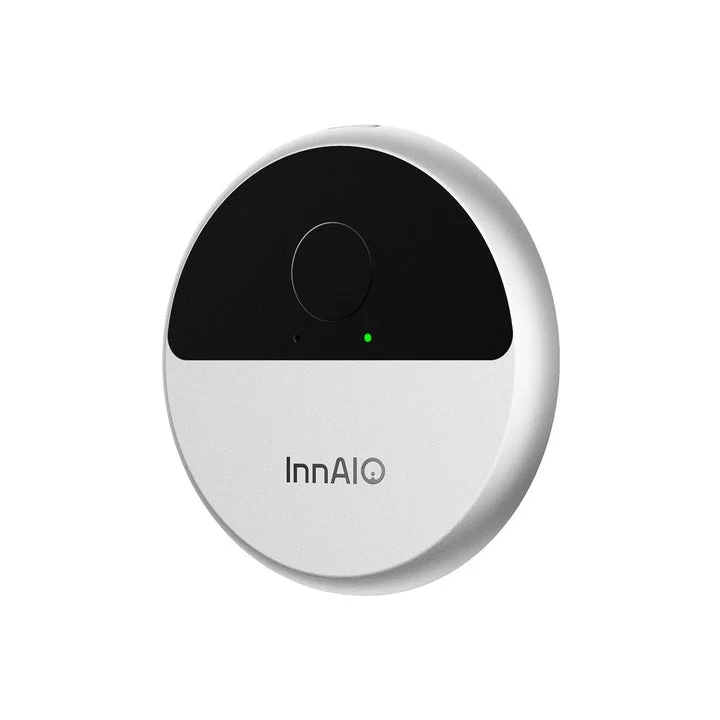
The gap between the pocket translator you buy and the pocket translator you use every day is wider than most people expect. Enthusiastic first weeks give way to a drawer, a bag pocket, and eventually a forgotten device. That pattern is not usually about the technology. It is about a mismatch between the buyer’s real life and what the device was optimized for. Someone who bought a hyper-fast conference translator for weekend vacations gets frustrated by its complexity. Someone who bought a basic phrasebook-style device for cross-border business gets frustrated by its limits. Choosing well means picking a device whose strengths line up with the situations you will actually face. This guide walks through how to think about that fit, what questions to ask before you pay, and where the trade-offs live.
Start with Your Use Case, Not the Feature List
The specification sheets for translators all look impressive. Every model claims support for dozens of languages, offline packs, “smart” translation, and long battery life. The differences between devices become visible only when you match those features to your actual routine. A weekend traveler, a global salesperson, a nurse in an emergency room, and a grandparent visiting family abroad all need very different things from an ai translator device. Skipping this step is the single most common reason people end up with the wrong device.
Frequent Traveler with Unpredictable Locations
If your travel takes you to remote regions, offline capability and battery life dominate every other consideration. Cloud-only devices become paperweights when the signal drops, and a translator that dies after three hours is one you will stop trusting. Look for offline coverage across the specific languages you will actually encounter, not just the total count on the box.
Cross-Border Professional
Business travelers doing site visits, supplier meetings, or client dinners need speed and speaker separation more than raw language count. Two-way, back-and-forth translation that keeps up with a normal negotiation pace matters far more than a device that supports two hundred languages. Prioritize devices with fast round-trip latency and a comfortable form factor you can place on a table without making the conversation feel awkward.
Healthcare, Support, and Service Workers
Nurses, social workers, and customer support staff who serve diverse communities have specific needs. Accuracy on medical or procedural vocabulary matters more than travel-friendly features. Custom vocabulary support, quick handoff between speakers, and durable hardware that survives daily use are the deciding factors here.
The Five Questions That Predict Long-Term Use
Reviews are useful but often dominated by first-week impressions. To predict whether you will still be using the device six months from now, focus on questions that reflect long-term ownership rather than out-of-box excitement.
How Fast Is Round-Trip Translation?
A conversation that flows requires translations under three seconds per sentence. Anything slower forces both speakers to slow down unnaturally, and after enough awkward pauses, people give up on the device and start pointing at menus again. Watch demo videos filmed in real environments and time the delays yourself.
How Does It Handle Two People Talking?
Single-direction translation is easy; two-way is where devices earn their price. Some require a button press to switch speakers, which is fine for slow, structured interactions but painful in fast conversation. Others use continuous listening modes that automatically detect who is speaking. Try to test the mode you will actually use before committing.
What Is the Offline Language Coverage?
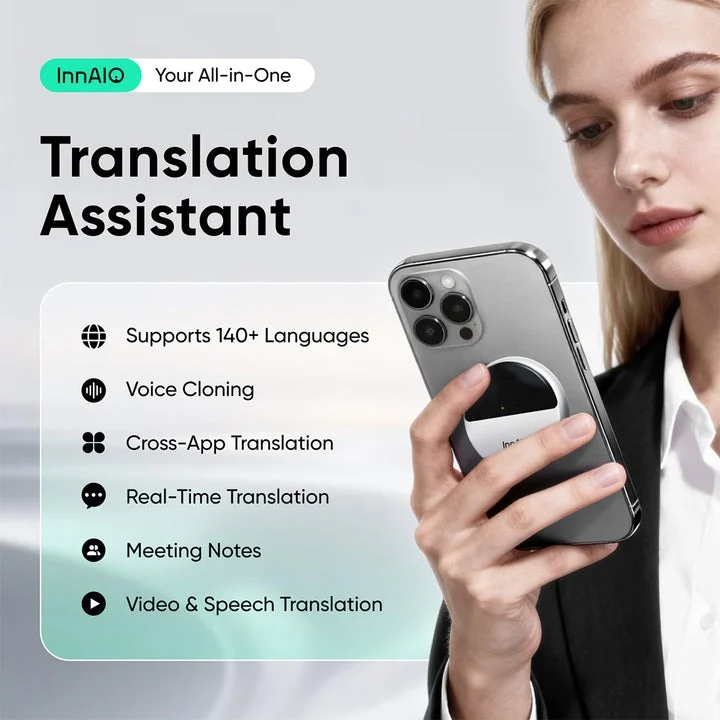
Every device markets its total language count. Fewer devices are honest about which of those are available offline, and even fewer publish the size of the offline models. Pull up the specific list before buying. If your destination is a mid-tier language, verify it is on the offline list, not just the online one.
How Is Audio Captured in Noisy Places?
Restaurants, airports, and markets are exactly the places you will use the device most, and they are the hardest environments for microphones. Directional microphone arrays, adaptive noise cancellation, and beamforming all help. Look at reviews recorded in loud environments rather than quiet studios; the difference is dramatic.
Does the Ecosystem Get Better Over Time?
A translator is not a static purchase. Firmware updates, expanded language support, and improved models arrive over the device’s lifespan. Buying from a company with a track record of shipping updates, like INNAIO, protects the investment. Devices that stop receiving updates fall behind quickly as the underlying models improve elsewhere.
Common Mistakes That Ruin the Experience
Even the right device can disappoint if used the wrong way. A few habits separate happy owners from frustrated ones.
Buying on Language Count Alone
A hundred-language device that stumbles on your target language is worse than a fifty-language device that nails it. Check the specific language pairs you need, ideally with sample translations, before comparing totals.
Ignoring Physical Design
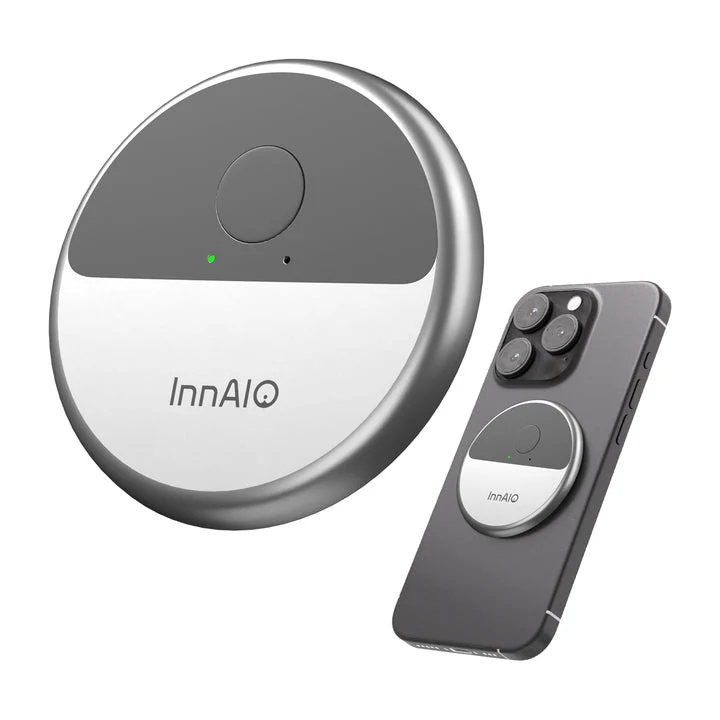
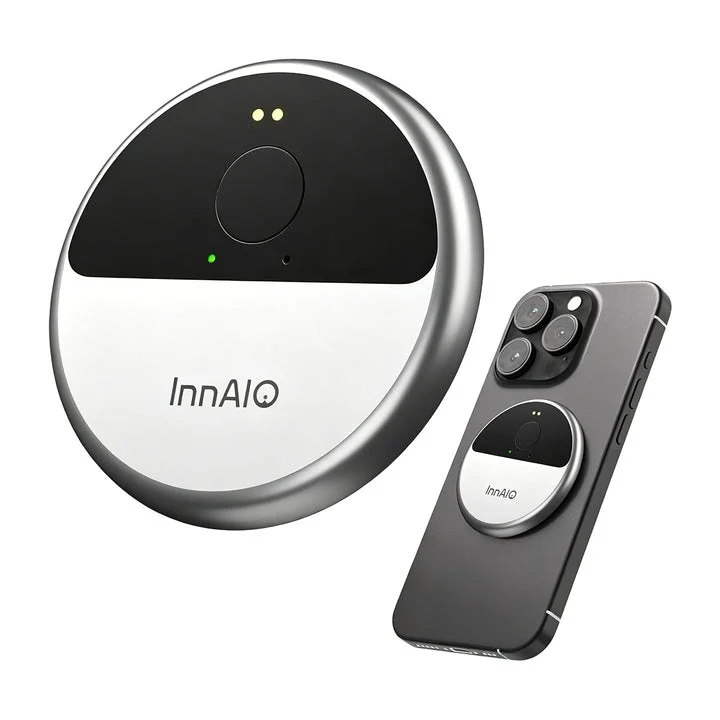
The device that lives in your pocket is the one you will use. A translator too bulky to carry casually gets left behind on exactly the days you need it most. Weight, button placement, and one-handed operation matter more than most spec sheets admit.
Skipping the Setup Phase
Downloading offline packs, updating firmware, and pairing companion apps takes twenty minutes and prevents most first-week frustrations. Owners who skip setup often blame the device for problems that are actually configuration issues.
Making the Choice That Sticks
The best pocket translator is the one that fits how you actually live, not the one with the flashiest spec sheet. Start with your real situations, work backward through the five questions that matter most, and be honest about what you will carry every day. A device chosen this way disappears into your routine and quietly does its job for years. A device chosen on impulse ends up in a drawer within a month. The technology is finally good enough that most travelers, professionals, and cross-cultural families can find a match. What separates the satisfied owners from the disappointed ones is not budget or brand loyalty. It is the willingness to think clearly about need before browsing options.
