

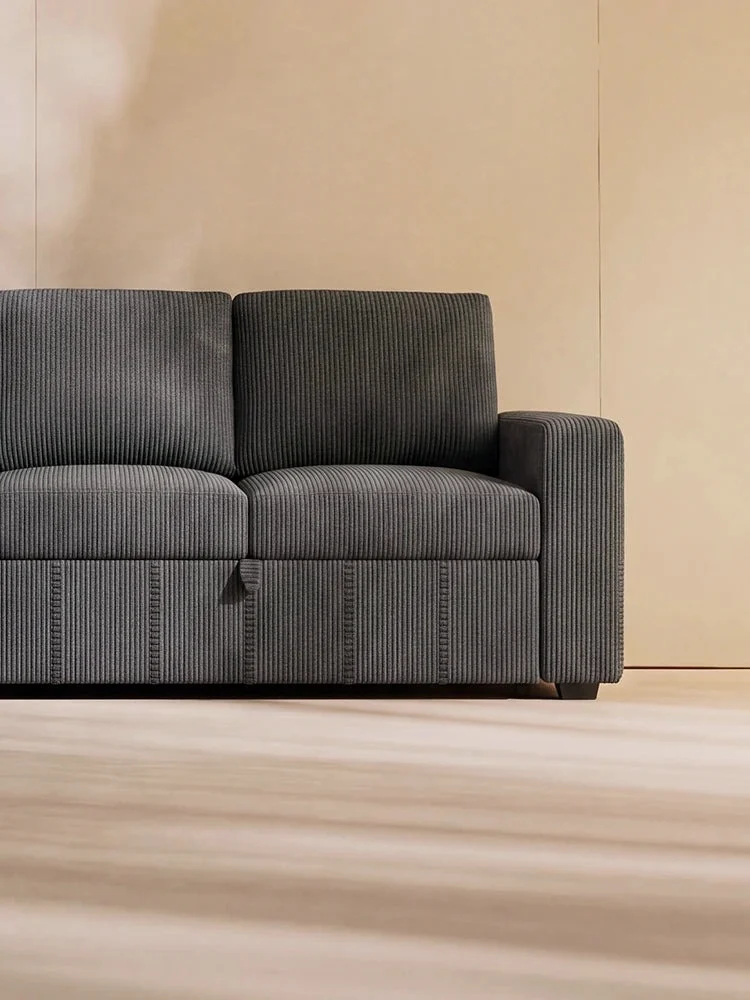
Interior design shifts in cycles, and ribbed upholstery has moved decisively from throwback curiosity into the front row of contemporary living rooms. Fabric preferences that once defined the seventies have returned with sharper silhouettes, refined color palettes, and construction that answers modern durability expectations. Designers point to a broader appetite for tactile surfaces after years of flat, minimalist neutrals, and consumers increasingly want furniture that feels as considered as it looks. This article maps the trend with the eye of an observer rather than a salesperson: where the shift originated, which design directions are leading, what construction advances have made the fabric practical again, and which household types are driving demand. If you are considering a purchase or simply want to understand why ribbed textures now appear in nearly every furniture launch, the sections ahead offer a grounded, current view rather than a nostalgic one.
How Ribbed Upholstery Reentered Mainstream Design
The return traces back several years, gaining momentum as designers grew restless with the flat boucle and plain linen dominance of the late twenty-teens. Ribbed fabric offered a middle ground: textured enough to add depth to minimal rooms, structured enough to avoid the cottage-core softness of nubby weaves. Social platforms accelerated the shift as showroom photos revealed how the fabric catches light differently across the day, giving a sofa a visual life that flat weaves cannot replicate. A modern corduroy sofa today shares little with its dated ancestors beyond the wale pattern. Frames are trimmer, arm profiles cleaner, seat depths deeper, and color palettes tuned to the neutrals, jewel tones, and muted earth shades that dominate current interiors. The result is a fabric that reads distinctly contemporary rather than retro.
The Role of Light in the Comeback
Ribbed textures behave differently under direct, diffused, and lamp lighting, creating subtle color shifts across the same piece throughout the day. Designers seized on this quality, since a single sofa can visually anchor morning light in a warm way and turn moody under evening lamps. Flat fabrics deliver one constant appearance; ribbed fabrics deliver several.
Silhouettes and Color Directions Leading the Trend
Current launches favor low-profile, deep-seat builds with track arms or barely-there arm caps, moving away from the tufted roll arms of earlier revivals. Modular configurations dominate the sectional category, letting buyers scale from a compact three-piece into a full lounging landscape. Color has diversified. Warm caramel, oat, and putty tones remain the strongest sellers, but forest green, rust, chocolate brown, and slate blue have gained meaningful share as buyers grow bolder. Very pale ivory and cream ribbed pieces have entered the market too, aimed at buyers who want the texture without the visual weight of deeper hues. Wale count has also shifted. Medium and narrow wale versions read more refined for design-forward interiors, while wide wale remains a signature choice for casual, texture-forward rooms with a heavier, more grounded feel.
Construction Advances That Made Practicality Possible
The fabric’s return would not have stuck without engineering improvements that answered the durability concerns that sank earlier revivals. Modern polyester and cotton-blend cord fabrics resist crushing, pilling, and sun-fading far better than traditional cotton versions. Performance-rated cord fabrics now carry rub counts of thirty thousand and higher, matching or exceeding the durability of many flat weaves. Stain-resistant treatments applied at the mill level handle spills without altering the pile texture. Beneath the fabric, kiln-dried hardwood frames, sinuous spring suspension, and high-resilience foam cushioning have extended usable life meaningfully. Cushion covers now often unzip for cleaning or replacement, and modular pieces connect through metal hardware rather than the fabric-eating clips of earlier eras. These advances make the fabric a practical choice for households with children and pets, not just for design-forward adult-only spaces.
Which Households Are Driving Demand
The buyer profile has broadened noticeably. Younger millennials and older Gen Z buyers furnishing first serious homes gravitate toward the texture as a signal of considered taste without excessive cost. Design-conscious families appreciate that modern cord fabrics handle daily use, offering a step up in visual interest from the safe grey weaves of a decade ago. Renters value the way a ribbed sofa can anchor rotating decor without dating the room. Home offices and hybrid work-from-home spaces increasingly use a ribbed accent chair or loveseat to add texture without shifting the room’s professional tone. HONBAY’s launches in this category reflect the widening interest, with modular configurations aimed at multi-use rooms rather than dedicated formal living spaces. That practical framing, rather than pure aesthetic novelty, is what has given the fabric its unusually long moment.
Where the Trend Is Likely Heading Next
Design cycles rarely reverse cleanly, so ribbed upholstery is unlikely to disappear soon, but it will evolve. Expect finer wale counts to gain further ground as the look continues drifting toward refinement rather than casual chunkiness. Color palettes will likely expand into muted pastels and deeper saturated shades as designers push against the current oatmeal-heavy defaults. Mixed-texture pieces, ribbed body with contrasting flat-weave arms or trim, are already appearing at higher price points and will filter down. Modular and reconfigurable formats will keep dominating, since flexibility answers the way people actually live now. Sustainability messaging around recycled polyester ribbed fabrics is also strengthening, appealing to buyers who want an aesthetic choice that also aligns with material values. The fabric that once symbolized a specific past decade has quietly become one of the most flexible tools in contemporary living room design.
A Trend Grounded in Real Design Value
What separates ribbed upholstery’s current moment from a passing revival is the depth of practical progress supporting it. Modern fabric performance, refined construction, cleaner silhouettes, broader color offerings, and modular flexibility all point to a category that has grown up rather than simply returned. Buyers no longer need to weigh style against durability, since well-made contemporary versions handle daily household life without visible strain. Design directions will continue evolving, wale counts refining, palettes broadening, formats shifting, but the underlying appeal of a textured, light-responsive fabric anchoring a modern room appears durable. For anyone furnishing a living space with a decade-long horizon in mind rather than a single season, this is a category worth taking seriously right now.
