
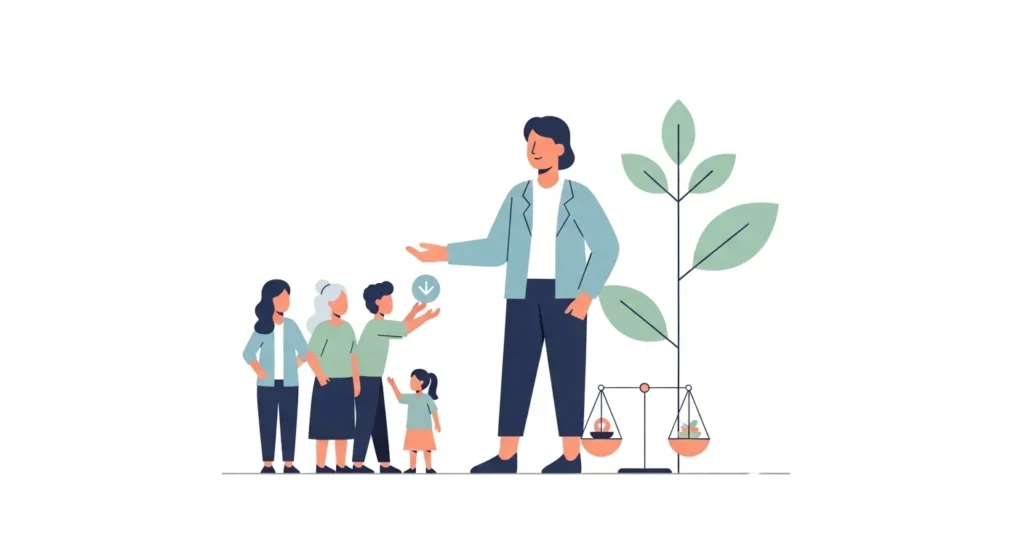

Humility means having a modest view of yourself.
It involves recognizing your strengths without arrogance and accepting your limitations without shame
Have you ever met someone who is confident but never arrogant?
Someone who succeeds yet still treats others with respect?
That quality is often described as humility.
In a world where people often chase attention and recognition, humility stands out.
It reflects quiet confidence, self-awareness, and genuine respect for others.
Let’s explore what humility really means, how it works in real life, and how you can practice it naturally.
What Does Humility Mean? (Simple Explanation)
At its core, humility is about balance.
It is not about thinking less of yourself, but thinking of yourself less.
Key Ideas Behind Humility
- Having a realistic view of your abilities
- Being open to learning and feedback
- Respecting others regardless of status
- Avoiding arrogance or superiority
A humble person does not ignore their achievements.
They simply do not feel the need to constantly show them off.
Origin of the Word “Humility”
The word humility comes from the Latin word “humilis.”
It means “grounded” or “low to the earth.”
How the Meaning Evolved
- Originally linked to modesty and groundedness
- Later connected to moral character and virtue
- Now widely used in personal growth and leadership
Over time, humility became a key trait in many cultures and belief systems.
Why Humility Is Important
Humility is more than just a personality trait.
It plays a major role in relationships, success, and personal growth.
Key Benefits
- Builds trust with others
- Improves communication
- Encourages learning and growth
- Reduces conflict and ego clashes
People often feel more comfortable around someone who is humble.
It creates a sense of respect and authenticity.
How Humility Shows Up in Real Life
Humility is not about big actions.
It appears in small, everyday behaviors.
Common Situations
- Accepting mistakes without excuses
- Listening without interrupting
- Giving credit to others
- Staying respectful even when successful
Tone and Feel of Humility
Humility has a calm and balanced tone.
It is neither overly quiet nor overly confident.
1. Confident but Grounded
“I worked hard for this, and I’m grateful for the opportunity.”
2. Open and Willing to Learn
“I might be wrong, but I’d like to understand more.”
3. Respectful Toward Others
“You did a great job on that project.”
4. Self-Aware
“I still have a lot to learn.”
Labeled Examples of Humility in Action
| Situation | Example | Meaning |
|---|---|---|
| Workplace | “The team made this possible.” | Sharing credit |
| Learning | “Can you show me how to do this?” | Openness |
| Success | “I’m thankful for the support I received.” | Gratitude |
| Mistake | “That was my fault.” | Accountability |
| Conversation | “I see your point.” | Respect |
Humility in Different Areas of Life
1. Personal Life
In daily life, humility helps build stronger relationships.
It allows people to connect without ego.
2. Workplace
Humble professionals are often better team players.
They listen, learn, and collaborate effectively.
3. Leadership
Great leaders often show humility.
They focus on the team rather than themselves.
Comparison: Humility vs Similar Traits
Understanding related traits helps clarify what humility really is.
Humility vs Confidence
| Humility | Confidence |
|---|---|
| Balanced self-view | Belief in abilities |
| Focus on growth | Focus on capability |
Arrogance vs Humility
| Humility | Arrogance |
|---|---|
| Respectful | Self-centered |
| Open to feedback | Rejects criticism |
Humility vs Shyness
| Humility | Shyness |
|---|---|
| Self-aware | Fearful or reserved |
| Confident but modest | Often lacks confidence |
Common Misconceptions About Humility
Many people misunderstand humility.
It is not about being weak or quiet.
What Humility Is NOT
- Not thinking you are worthless
- Not hiding your achievements
- Not avoiding success
True humility allows confidence without ego.
It creates balance rather than self-doubt.
Polite or Professional Ways to Express Humility
In formal situations, humility can be shown through language.
Examples
- “I appreciate the opportunity to contribute.”
- “I’m always open to feedback.”
- “This was a team effort.”
- “I’m still learning and improving.”
These phrases reflect humility without reducing self-worth.
Do’s and Don’ts of Practicing Humility
Do
- Listen actively
- Accept feedback
- Acknowledge others
- Stay open-minded
Don’t
- Pretend to be less capable than you are
- Seek attention constantly
- Dismiss others’ contributions
- Let ego control decisions
Frequently Asked Questions (FAQ)
1. What does humility mean in simple words?
Humility means being modest and not arrogant.
It involves respecting others and staying grounded.
2. Is humility a good trait?
Yes, it helps build trust and strong relationships.
It also supports personal growth.
3. Can you be confident and humble?
Yes, both can exist together.
Confidence with humility creates balance.
4. What is an example of humility?
Admitting a mistake without blaming others is a good example.
Giving credit to others is another.
5. Is humility the same as being shy?
No, humility is about self-awareness.
Shyness is related to fear or lack of confidence.
6. Why is humility important in leadership?
It helps leaders connect with their teams.
It encourages trust and collaboration.
7. Can humility be learned?
Yes, it develops through practice and awareness.
Anyone can improve this trait.
8. Does humility mean thinking less of yourself?
No, it means having a balanced and realistic view.
It is about confidence without ego.
Why Humility Matters Today
In a fast-paced and competitive world, humility stands out.
It promotes respect, learning, and genuine connections.
People value authenticity more than ever.
Humility plays a key role in that.
Conclusion: Key Takeaways About Humility
- Humility means having a modest and balanced self-view
- It involves confidence without arrogance
- It improves relationships and communication
- It encourages growth and learning
- It is useful in personal life, work, and leadership
In simple terms, humility is about staying grounded while growing.
It allows you to succeed without losing respect for others.