
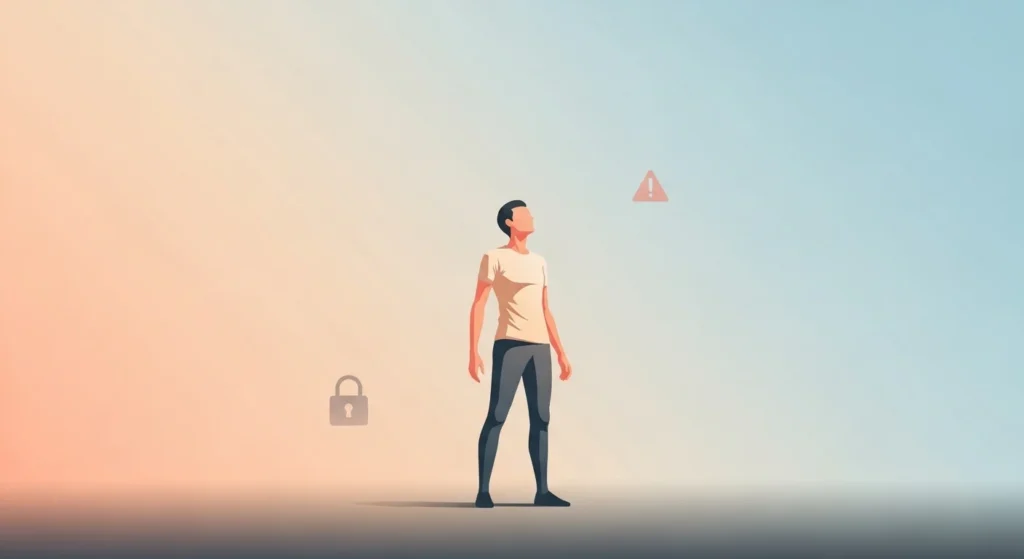

Vulnerable means being open to harm, risk, or emotional exposure. It describes a state where a person, system, or situation can be easily affected physically, emotionally, or mentally.
The word “vulnerable” shows up everywhere.
You might hear it in emotional conversations, mental health discussions, or even in cybersecurity topics.
People often say things like “I feel vulnerable” or “this system is vulnerable to attacks.”
But what does it actually mean in everyday life?
And how can you use it correctly in different situations?
Let’s break down the meaning of vulnerable in a simple and relatable way.
What Does Vulnerable Mean? (Simple Explanation)
At its core, vulnerable means being exposed.
It suggests a lack of protection in some form.
Main Meaning of Vulnerable
- Open to harm or damage
- Easily affected by emotions or situations
- At risk physically, mentally, or emotionally
The meaning can change slightly depending on the context.
However, the idea of risk or exposure always stays the same.
Types of Vulnerability
The word vulnerable is used in different ways.
Each type focuses on a specific kind of exposure.
1. Emotional Vulnerability
This is the most common usage.
It refers to being open about feelings.
Examples include:
- Sharing personal thoughts
- Expressing sadness or fear
- Trusting someone deeply
Example sentence:
“I felt vulnerable talking about my past.”
2. Physical Vulnerability
This refers to being at risk of physical harm.
It often applies to people or situations.
Examples include:
- Being injured or weak
- Being in a dangerous place
- Lacking protection
Example sentence:
“The child was vulnerable without supervision.”
3. Social or Financial Vulnerability
This type relates to life situations.
It includes lack of resources or support.
Examples include:
- Poverty
- Unemployment
- Lack of access to education
Example sentence:
“Many communities are economically vulnerable.”
4. Digital or Security Vulnerability
This is common in technology.
It refers to weaknesses in systems.
Examples include:
- Software bugs
- Weak passwords
- Security flaws
Example sentence:
“The app is vulnerable to hacking.”
Origin of the Word Vulnerable
The word vulnerable comes from Latin.
It is derived from “vulnerare,” which means “to wound.”
Over time, the meaning expanded.
It now includes emotional and psychological exposure as well.
Why Vulnerable Is Important Today
The word has become more common in recent years.
This is especially true in mental health conversations.
Key Reasons
- Growing awareness of emotional well-being
- More open conversations about feelings
- Focus on authenticity and honesty
- Increased discussion around safety and risk
Because of this, vulnerability is now often seen as strength, not weakness.
How Vulnerable Is Used in Real Life
The word can be used in different situations.
It works in both casual and formal communication.
Common Situations
- Talking about emotions
- Describing risky situations
- Discussing safety or security
- Writing professionally
Tone and Context: What Does Vulnerable Feel Like?
The tone of vulnerable depends on context.
It can feel emotional, serious, or descriptive.
1. Emotional Tone
Used when expressing feelings.
“I feel vulnerable right now.”
2. Serious Tone
Used in important situations.
“Children are vulnerable in unsafe environments.”
3. Professional Tone
Used in formal writing.
“The system is vulnerable to external threats.”
Labeled Examples of Vulnerable Usage
| Context | Example Sentence | Meaning |
|---|---|---|
| Emotional | “I felt vulnerable sharing my story.” | Open emotionally |
| Physical | “He was vulnerable after the injury.” | At risk physically |
| Social | “They are in a vulnerable position.” | At risk socially |
| Digital | “The network is vulnerable.” | Security weakness |
| General | “Don’t leave it vulnerable.” | Exposed to harm |
Comparison: Vulnerable vs Similar Words
Understanding similar words helps clarify meaning.
Vulnerable vs Weak
| Vulnerable | Weak |
|---|---|
| Open to harm | Lacking strength |
| Can be temporary | Often physical or mental condition |
Sensitive vs Vulnerable
| Vulnerable | Sensitive |
|---|---|
| At risk or exposed | Easily affected emotionally |
| Broader meaning | Mostly emotional |
Vulnerable vs Fragile
| Vulnerable | Fragile |
|---|---|
| At risk of harm | Easily broken |
| Can be emotional or physical | Mostly physical |
Alternate Meanings of Vulnerable
The word generally keeps the same core idea.
However, it can apply in different fields.
- Emotional openness
- Physical risk
- Financial instability
- Cybersecurity weakness
The context determines the exact meaning.
Polite or Professional Alternatives to Vulnerable
In formal settings, you may want alternatives.
These can sound more precise.
Instead, Use:
- At risk
- Exposed
- Susceptible
- Unprotected
- Sensitive
Example:
Instead of: “The system is vulnerable”
Say: “The system is susceptible to threats.”
Do’s and Don’ts of Using Vulnerable
Do
- Use it in both casual and formal contexts
- Match it with the correct situation
- Use it clearly and thoughtfully
Don’t
- Overuse it unnecessarily
- Confuse it with weakness
- Use it without proper context
Frequently Asked Questions (FAQ)
1. What does vulnerable mean in simple words?
It means being open to harm or risk.
It can be emotional, physical, or mental.
2. Is being vulnerable a bad thing?
Not always.
It can show honesty and strength.
3. What does emotionally vulnerable mean?
It means being open about feelings.
It involves trust and honesty.
4. Can vulnerable mean weak?
Not exactly.
It means exposed, not necessarily weak.
5. What is a vulnerable person?
Someone who is at risk.
They may need protection or support.
6. What does vulnerable mean in technology?
It means a system has weaknesses.
These can be exploited by attackers.
7. Can you use vulnerable in professional writing?
Yes, it is widely used.
It works well in formal contexts.
8. What is the opposite of vulnerable?
Words like protected or secure are opposites.
They suggest safety and strength.
Why Vulnerability Matters in Today’s World
Understanding vulnerability helps in many areas.
It improves communication and awareness.
It also encourages empathy.
People can better support each other.
Conclusion: Key Takeaways About Vulnerable Meaning
- Vulnerable means open to harm or risk
- It applies to emotions, physical safety, and systems
- The meaning depends on context
- It is widely used in both casual and formal language
- It does not always mean weakness
In simple terms, being vulnerable means being exposed in some way.
Understanding this word helps you communicate more clearly and effectively.