
Accurate billing depends on accurate meter readings, yet many businesses pay bills based on estimates without realising it. When a business is billed on an estimate, it can end up paying for electricity it never used, or building up a surprise when a real reading finally corrects the account. Understanding your meter and readings is a simple but powerful way to make sure you are billed fairly. This guide explains business electricity meters and readings and how to keep your billing accurate.
Why Readings Matter So Much
Your electricity bill is built from your unit rate and your consumption. The consumption figure comes from your meter, and if that figure is wrong, your bill is wrong, no matter how good your rate is. This makes meter readings the foundation of accurate billing. A competitive rate applied to an inflated usage figure still produces an inflated bill.
Getting readings right is therefore just as important as getting a good rate. Many businesses focus entirely on the rate while ignoring whether the usage they are billed for is accurate, which can undermine the savings a good contract should deliver.
Estimated Versus Actual Readings
There are two ways your usage can appear on a bill. An actual reading is measured from your meter and reflects what you really used. An estimated reading is the supplier’s calculation of what you probably used, based on past patterns, when a real reading is not available. Estimates are convenient for the supplier but can be inaccurate, and they often err on the high side.
If your usage has fallen, perhaps because you became more efficient, downsized, or changed your operation, an estimate based on old patterns will overstate your consumption and inflate your bill. This is why checking whether your bill says estimated, and submitting an actual reading when it does, matters. It ensures you pay for what you genuinely used rather than a guess.
Types of Meter
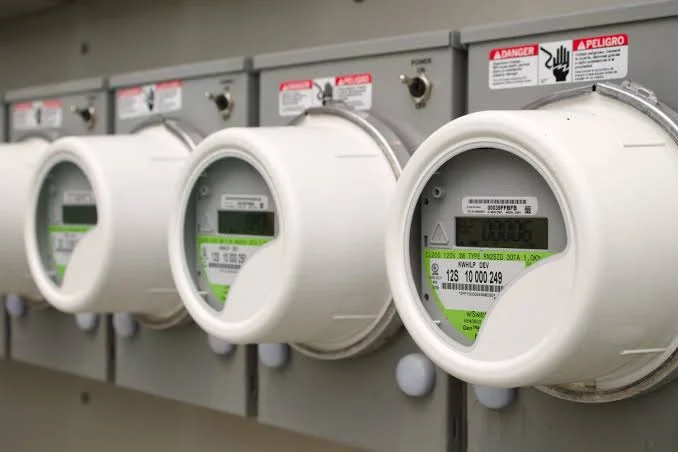
Businesses have different types of meter. A standard meter records total usage and needs reading periodically. Smart meters and automated meters can send readings automatically, removing the need for manual reads and reducing the risk of estimated bills. Larger businesses may have half hourly meters, which record usage in detailed intervals and are used for more sophisticated billing.
Knowing what type of meter you have helps you understand how your usage is captured and how often it needs reading. If you have a standard meter, regular manual readings are important. If you have automated metering, your usage should be captured accurately without manual effort, though it is still worth checking your bills reflect actual data.
Keeping Your Billing Accurate
The practical routine is simple. Read your meter regularly if it is not automated, and submit those readings to your supplier. Check each bill to see whether it is based on actual or estimated readings, and query any that look inconsistent with your usage. If your bills have been estimated for a long time, a correct reading can bring your account back in line, sometimes revealing you have been overpaying.
This habit protects you from the slow drift of estimated billing. It also means that when you do secure a competitive rate, the savings are real, because they apply to your actual usage rather than an inflated estimate.
Readings and Switching
Meter readings also matter when you switch supplier. Taking a reading at the point of switching ensures your final bill with the old supplier and your opening balance with the new one are based on accurate figures, avoiding disputes and estimated charges during the changeover. When comparing the market through a service such as business electricity comparison, having accurate consumption data from real readings also makes your quotes more accurate, since they are based on what you truly use.
Frequently Asked Questions
Why do meter readings matter for my bill?
Your bill is based on your consumption, which comes from your meter. If the reading is wrong, the bill is wrong regardless of your rate, so accurate readings are the foundation of fair billing.
What is the difference between estimated and actual readings?
An actual reading is measured from your meter and reflects real usage. An estimated reading is the supplier’s calculation when no real reading is available, and it can be inaccurate, often too high.
How do I avoid estimated bills?
Read your meter regularly and submit the readings, or use automated metering that reports usage. Check each bill for the word estimated and query anything that looks wrong.
What types of business electricity meter are there?
Standard meters that need periodic reading, smart or automated meters that report automatically, and half hourly meters for larger users that record detailed interval data.
Why take a reading when switching supplier?
It ensures your final bill with the old supplier and opening balance with the new one are accurate, avoiding disputes and estimated charges during the changeover.
Final Thought
Getting billed for what you actually use is as important as getting a good rate. Estimated readings can quietly inflate your bill, especially if your usage has changed, so understanding your meter and keeping your readings accurate is a simple but valuable habit. Read regularly, check your bills, submit actual readings, and take a reading when you switch. Do that, and every pound you pay reflects real usage, making your competitive rate deliver the savings it should.
