

Twelve hours on a hospital ward, a full shift on a warehouse floor, or a long day behind a retail counter produces a specific kind of tiredness. It is not the pleasant fatigue that follows exercise. It is a dull, settled ache that arrives in the last hours of the shift, follows you home, and is often still present when the alarm goes off the next morning.
Recovery advice aimed at this group tends to miss badly. It assumes evenings are free, that you can lie still for an hour, that tomorrow is a rest day. For someone working consecutive shifts, sometimes rotating between days and nights, none of those assumptions hold. Whatever recovery happens has to fit into a narrow, unpredictable window and require almost nothing from someone who is already depleted.
That constraint shapes everything. What follows looks at where standing fatigue actually concentrates, how to fit sessions around shift patterns that refuse to stay regular, and how to build something sustainable enough to survive a run of difficult weeks rather than collapsing during the first one.
Where Standing Fatigue Settles
Prolonged standing loads the body differently from exercise, and it does so continuously rather than in bursts. Muscles hold low-level contraction for hours without the rhythmic pumping action that walking or running provides. Circulation in the lower legs relies heavily on that pumping, so standing largely static on a hard floor is closer to sustained isometric work than to anything restful.
The lower back takes much of it. Standing all day means the muscles supporting your spine work continuously with no meaningful break, and by the end of a shift they are simply fatigued from having never stopped. Hips and knees accumulate their own load, and calves and feet carry the rest.
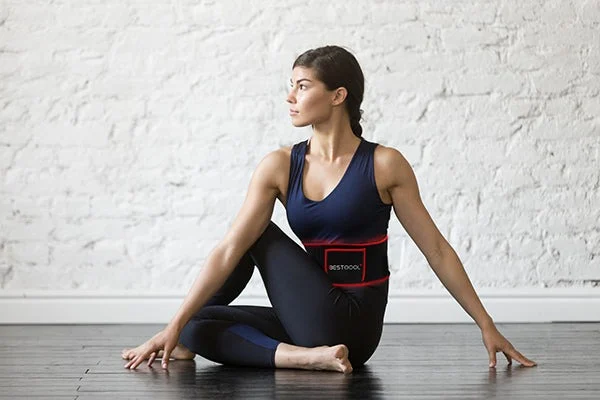
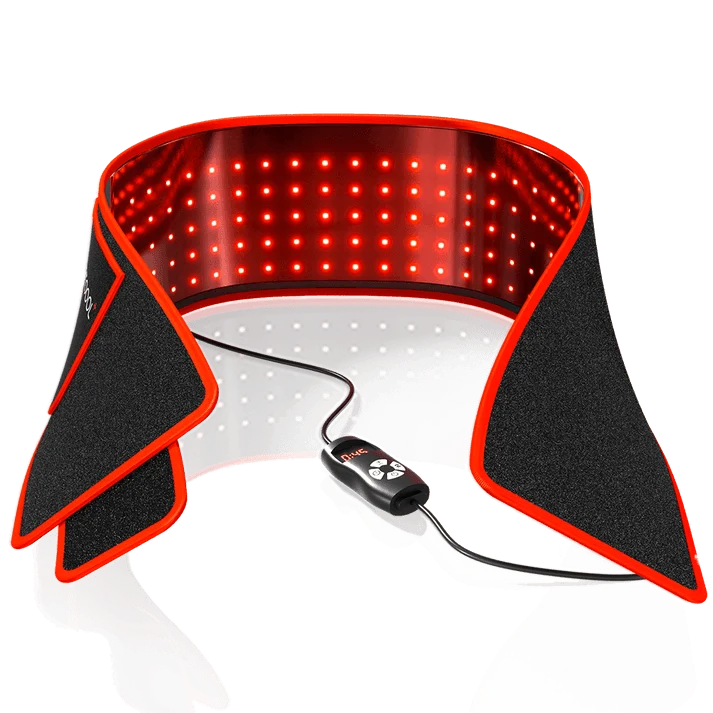
Coverage is what makes a red light therapy belt practical for this pattern of fatigue. A wrap conforms to the area it surrounds rather than treating it from one direction, which suits limbs and the curve of a lower back far better than a flat surface facing you. It also means you are not required to hold still in a specific position relative to a panel — a real advantage when you are exhausted.
Footwear worn past its useful life quietly makes all of this worse, and it is easy to miss because the decline is gradual. Shoes that felt supportive eight months ago may be doing very little now, and no amount of recovery afterwards fully offsets a full shift spent standing on collapsed cushioning.
Hard flooring intensifies everything. Concrete and tile return impact rather than absorbing it, and there is no way to soften that within a shift. Recovery afterwards becomes the only lever available, which is why what happens in the hour after a shift matters disproportionately for people in these roles.
Fitting Sessions Around Shift Work
Shift patterns break conventional routine advice. A fixed daily time is meaningless when this week you finish at seven in the evening and next week at seven in the morning. Attaching a habit to a clock guarantees it collapses the moment the rota changes.
Anchor to the shift instead. “Within an hour of getting home” works whether that hour falls in the morning, evening, or middle of the night. The anchor moves with your schedule automatically, and it needs no re-planning when the rota shifts, which removes the decision point where most routines quietly die.
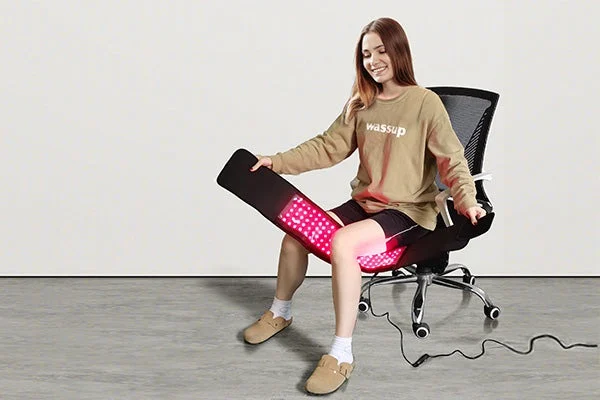
Sitting down is where the session should happen. Recovery that requires setting anything up, clearing a space, or standing for another ten minutes is asking for effort you do not have at that moment. A wrap secured while you sit on the sofa or the edge of the bed asks for nothing beyond putting it on, and that low demand is precisely what allows it to survive a bad week.
For night shifts, keep the session before sleep rather than after waking. Getting into bed after a night shift is already difficult enough without adding a step between finishing and sleeping. Slotting recovery into the wind-down period means it happens at the point where you are stationary anyway.
Wrapping Different Areas
The advantage of a wrap is that it moves. Rather than committing to one area permanently, you can direct sessions to whatever is worst on a given day, which varies more than people expect across different shifts and roles.
For the lower back, position the wrap across the area that aches rather than higher up the spine, and secure it snugly enough that it maintains contact when you shift position. Sitting slightly reclined helps it stay in place. Loose contact is the most common mistake here, because a wrap that gapes as you settle back is treating air rather than skin.
For knees, wrap around the joint rather than across the front only, since the sides accumulate load from a day of standing just as much. For calves, treat one leg at a time — the temptation to rush both at once by loosening the fit defeats the purpose. Thighs and hips follow the same principle: firm, complete contact over the specific area, for the full session, on one region at a time.
Rotating between areas across the week works better than trying to cover everything in one sitting. Pick whichever area was worst during the shift you have just finished, treat it properly, and let the others wait for another day. Attempting four regions in a single evening usually produces four rushed, loosely fitted sessions instead of one done well, and it stretches a short routine into a long one at exactly the point where length is what makes people give up.
Skin contact matters. Thick clothing between the wrap and your skin absorbs light before it arrives, which quietly removes most of the point. This is worth mentioning because it is an easy thing to overlook when you are tired and cannot face changing out of a uniform first.
Building Something That Survives a Bad Week
Consecutive difficult shifts are the real test. Most recovery routines are designed for good weeks and abandoned during the weeks when they would matter most. Designing for the hardest week rather than the easiest one is what determines whether a habit lasts.
Set a minimum you can complete when you are genuinely exhausted, and treat that as the standard rather than the fallback. A short session that reliably happens after every shift beats a longer one attempted twice and then dropped. Consistency across weeks does more here than duration within any single session.
Store the wrap where you land after work, not where it logically belongs. Beside the sofa, next to the bed, wherever you actually sit down first. Recovery equipment kept in another room has a way of staying there on exactly the evenings you most need it, and that small distance is enough to end a routine.

Shift patterns also make the first week deeply misleading. Coming off a run of long days, everything aches, and any recovery step feels either dramatically effective or completely pointless depending mostly on how the last shift went. Neither impression carries much information. Judge the routine after it has run across a full rota cycle, taking in the manageable weeks alongside the punishing ones, rather than after a single stretch of hard shifts that happened to fall at the start.
Track completion rather than how you feel. Feeling is unreliable after a long shift and varies with sleep, workload, and mood far more than with anything you did the evening before. A mark on a calendar for each completed session gives you an honest record, and after a month it tells you whether you built a routine or merely intended to. Usage guidance from established manufacturers such as BestQool covers session length and positioning, and it is worth reading once properly rather than improvising each evening.
None of this replaces the things that address the underlying cause. Better footwear, anti-fatigue matting where your workplace permits it, and taking whatever seated breaks are available all matter, and no recovery routine compensates for their absence. Persistent pain, numbness, or swelling that does not settle overnight warrants a conversation with a clinician rather than a longer session at home.
Recovery That Fits an Unpredictable Rota
Standing all day loads the lower back, hips, knees, and calves continuously, without the rhythmic movement that helps circulation during exercise. On hard flooring the effect compounds, and what happens in the hour after a shift ends up carrying most of the recovery.
A wrap suits this because it conforms to the area it surrounds and can be used sitting down, asking almost nothing from someone already worn out. Anchor sessions to the end of a shift rather than to a time of day so the routine moves with a changing rota. Keep the wrap where you actually sit when you get home. Maintain firm contact against skin, treat one area at a time, and rotate to whatever is worst that day.
Above all, set a minimum you can complete on your hardest week, because the weeks you least want to do it are the ones that decide whether the habit lasts.
