

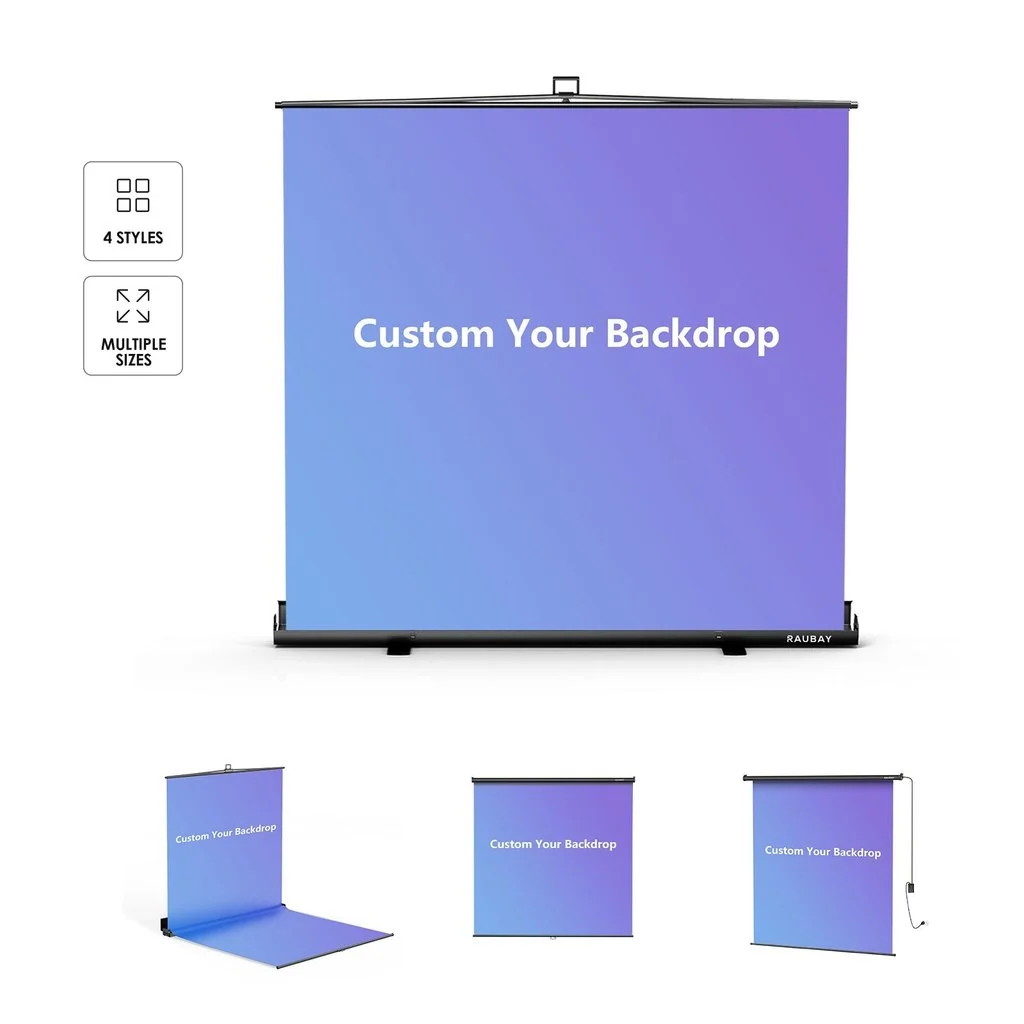
Every photographer eventually hits the same ceiling: the stock backdrop that felt fresh two years ago now looks like everyone else’s Instagram feed. When a brand wants to stand out — whether it is a portrait studio building a signature look, a product photographer serving a boutique retailer, or a small business shooting its own social content — the ready-made options start to feel like a limitation instead of a foundation. Printed and bespoke backdrops fix that ceiling by putting the studio’s visual identity behind the subject rather than borrowing someone else’s. This piece looks at what makes a custom surface actually work, how the design and printing process comes together, and how photographers can turn a bespoke background into a long-running part of their brand.
Why Stock Backdrops Eventually Fall Short
Stock backdrops sell because they cover ninety percent of common needs. A gray sweep, a wooden plank print, a marble surface — these show up in thousands of studios because they solve immediate problems without demanding a design brief. The trouble starts when brand identity matters. A portrait studio that only shoots in front of the same three prints becomes visually indistinguishable from every other studio in the city. A product brand that photographs against generic surfaces cannot use the images to tell a story that connects one campaign to the next. That is when photographers start reaching for custom photography backdrops: surfaces printed to spec, sized to the studio, and designed to serve one photographer’s aesthetic instead of a mass-market average.
Design Choices That Photograph Well
Not every design translates from screen to fabric. High-contrast patterns, sharp geometric edges, and pure white areas tend to draw the eye away from the subject and fight the lighting rather than support it. The best custom designs use midtone palettes, soft edges, and repeating textures that read as background rather than pattern. Muted florals, textured concrete finishes, and painterly abstract washes all work because they carry visual interest without competing with the person or product in front of them. When in doubt, test a design against a range of subjects. A backdrop that looks striking behind a model in a black dress but disappears behind one in a light sweater is too high-contrast for general use.
Material Selection for Custom Prints
The substrate matters as much as the design. Fabric backdrops absorb ink and produce a matte finish that is forgiving under a range of lighting, but they need proper hemming and steaming to hang flat. Vinyl prints hold color more accurately and resist stains, which makes them a fit for food and product work where spills happen. Canvas offers the richest, most gallery-like texture and photographs beautifully in portrait work, but it is heavier and needs a stronger frame to hang without visible curve. Ask any print supplier for a small sample before committing to a full-size run; color shift between screen and fabric is real and shows up most in critical brand colors.
The Custom Print Workflow
Getting from an idea to a finished backdrop follows a repeatable path. Start with a concept aligned to the brand — a color palette, a mood, and a rough visual reference. Move to a mockup, either from a designer or through simple layout software, sized to the exact dimensions of the intended backdrop. Send the file to a print house with experience in photographic substrates, since consumer printers rarely handle large-format textiles at the color accuracy studios need. Order a small proof panel before running the full size, and photograph the proof under your actual studio lighting to confirm the color reads correctly on camera, not just to the eye.
Turnaround varies. Fabric prints can arrive within two weeks from a specialty supplier, while more complex textured prints or oversized panels take longer. Build the timeline into shoot planning; a bespoke backdrop that arrives the morning of a shoot leaves no room for adjustments if the color proof does not match.
Building a Brand Signature Over Time
The strongest use of custom surfaces is not a single striking image; it is consistency across many. A portrait studio that shoots every family session against the same signature painted surface builds a look that clients recognize before they read the studio name. A product brand that uses a printed texture across every seasonal campaign creates a visual thread that ties the entire year’s marketing together. Photographers working with suppliers like Raubay often design two or three complementary surfaces at once — a hero background, a secondary color, and a specialty texture — so the studio has a rotating palette that still reads as one voice.
Rotation matters. Even a well-designed bespoke surface starts to feel repetitive after enough shoots, so most studios plan a refresh cycle: retire an older design each year, introduce a new one, and keep three or four active surfaces in the working library. The retired ones often live on as event backgrounds, secondary studio decor, or portfolio pieces that document the studio’s evolution.
Caring for Custom Prints
A bespoke backdrop is an investment, and it deserves the care of one. Store fabric rolls hung or loosely rolled rather than folded, which prevents permanent creases across the print. Steam gently before shoots rather than ironing, since direct heat can damage the ink layer. Spot-clean stains with cold water and a mild soap; harsh cleaners strip color from most photographic prints. A well-treated custom surface can serve a studio for many years, and the longer it stays in rotation, the more it becomes part of the brand’s recognizable visual language.
Turning a Backdrop Into a Signature
A custom backdrop is one of the few pieces of studio gear that photographs itself, in a sense — it appears in every frame it hangs behind. That makes it worth treating as a design decision, not a shopping decision. Start with a clear brand direction, choose a design that supports the subject rather than competing with it, pick a substrate that suits your typical shoots, and give the print process the time it needs to come back right. Done well, a bespoke surface stops feeling like a backdrop and starts feeling like a piece of the studio’s identity, one that clients recognize and creative directors specifically request. That is a return on investment that stock materials cannot match.
