

Anyone who has tried to furnish a compact living area knows the frustration of balancing comfort with square footage. Traditional sofas often dominate small rooms, leaving little space for movement or additional furniture. The search for seating that fits without compromise leads many homeowners to an increasingly popular solution: fabric modular sofas. These versatile pieces promise the ability to adapt to virtually any room shape or size, but are they truly the ideal choice for tight quarters? The answer lies in their unique combination of customization, space efficiency, and design flexibility. Unlike fixed-frame sofas that lock you into a single configuration, modular sofas let you rearrange, add, or remove sections as your needs evolve. Paired with the warmth and variety that fabric upholstery offers, they present a compelling case for anyone working with limited living space. Let’s explore whether these adaptable pieces live up to their reputation.
Why Fabric Modular Sofas Excel in Small Living Rooms
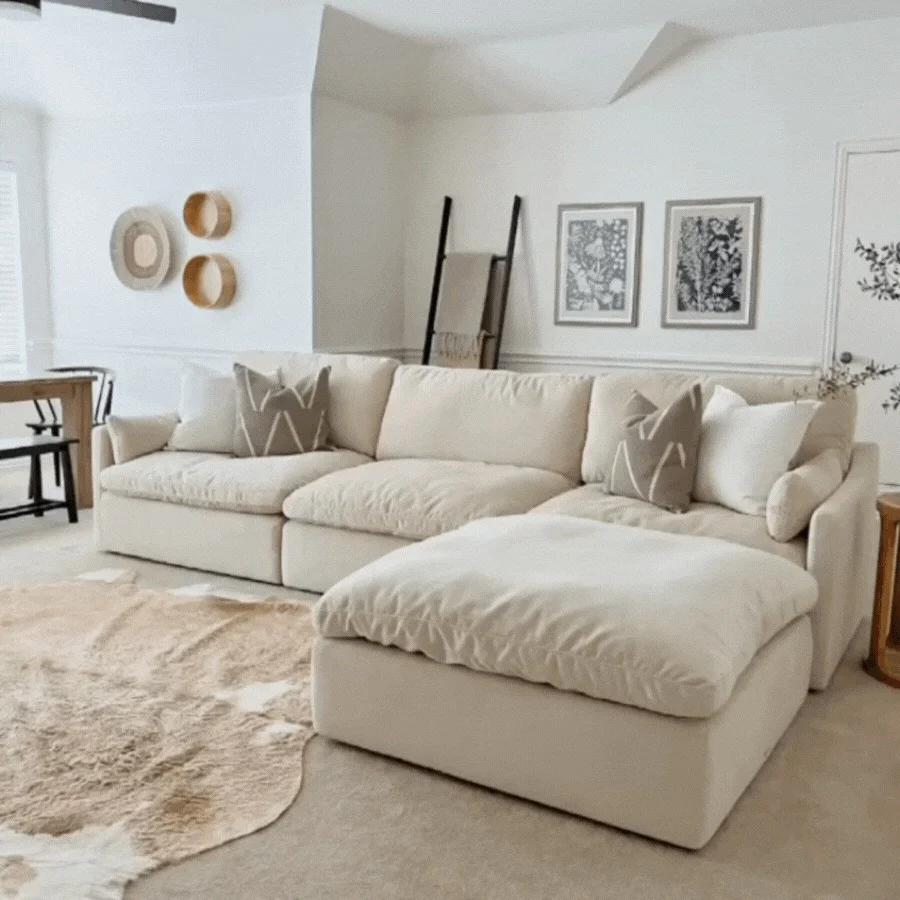
A fabric modular sofa consists of individual seating sections—armless chairs, corner pieces, ottomans, and chaises—that connect together in various arrangements. Unlike a traditional sofa with a fixed frame, modular sofas let you build exactly the configuration your room demands. In a small living room, this means you can start with a compact two-piece setup and expand later, or rearrange the sections entirely when you entertain guests or rethink your layout. The flexibility to transform a straight loveseat into an L-shape or separate pieces into individual chairs makes these sofas remarkably adaptive to spaces where every inch matters. Sofas in fabric add another dimension to this versatility, offering visual warmth and a tactile softness that makes compact rooms feel inviting rather than cramped.
Benefits of Fabric Over Other Upholstery Materials
When comparing fabric to leather or synthetic alternatives, several advantages emerge for small-space living. Leather can feel cold and formal, sometimes making tight rooms appear sterile, while synthetic materials may lack breathability and trap heat during extended use. Fabric upholstery breathes naturally, keeping the seating comfortable year-round without the sticky sensation that plagues vinyl or bonded leather in warm months. The style variety is unmatched—hundreds of textures, colors, and weaves allow you to select a fabric that visually expands your space or adds personality without overwhelming it. Durable options like tightly woven polyester blends resist pilling and fading, ensuring your modular sofa maintains its appearance even in high-traffic small living rooms where the furniture sees constant daily use.
Modularity for Customized Space Optimization
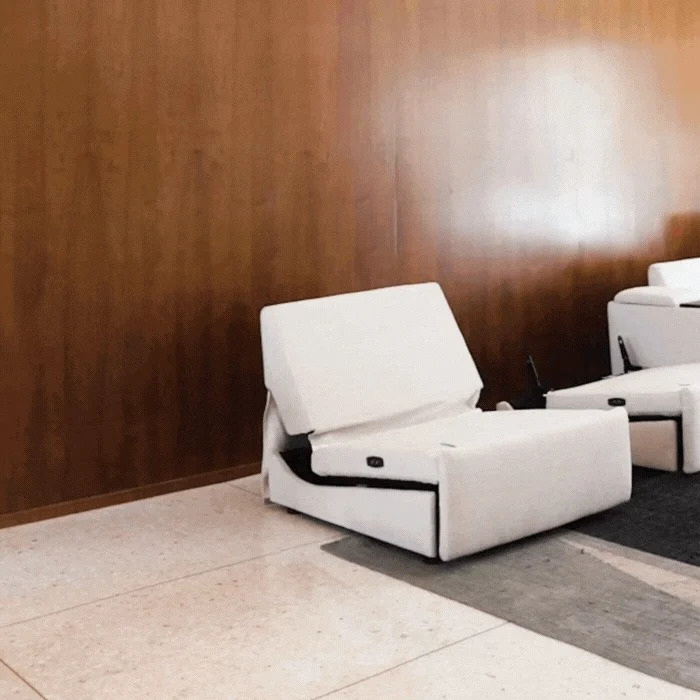
The true power of modular sofas lies in their ability to conform to unconventional room shapes. A narrow galley-style living room might benefit from a single row of connected modules pushed against one wall, while an awkward corner space becomes functional with an angled sectional arrangement. You can separate a module to create additional seating near a window or push pieces together for movie night. This adaptability makes them genuine space-saving sofas because you never commit to a shape that wastes floor area. As your life changes—a new roommate, a home office carved from the living room, or a growing family—the same sofa evolves with you, eliminating the need to purchase entirely new furniture for each transition.
Key Factors When Choosing Your Fabric Modular Sofa
Selecting the right fabric modular sofa for a small living space requires more than falling in love with a showroom display. You need to consider how the piece will perform in your daily life—withstanding spills, pet hair, frequent rearrangement, and years of regular use. The fabric you choose directly impacts maintenance demands, while the specific modular configuration determines whether your living room furniture arrangement feels open and functional or cluttered and restrictive. Some homeowners also want the option of reclining sofas within their modular setup, which adds comfort but requires careful planning around clearance space behind each section. Taking time to evaluate these factors before purchasing saves you from costly returns and ensures your investment truly serves your compact living area.
Assessing Fabric Types: Durability and Care for Busy Homes
Not all fabrics perform equally in homes where the sofa serves as the primary gathering spot. For high-traffic small living rooms, look for tightly woven fabrics with high rub counts—this measurement indicates how well the material resists wear from daily friction. Performance fabrics treated with stain-resistant finishes let you blot away coffee or wine without permanent marks, a practical necessity when your sofa sits close to dining or kitchen areas in open-plan spaces. Microfiber and solution-dyed polyester rank among the easiest to clean, often requiring nothing more than a damp cloth for routine maintenance. If you prefer natural fibers, cotton-linen blends offer breathability but benefit from a protective spray treatment. Consider your household honestly: homes with children or pets should prioritize cleanability over delicate textures, ensuring your living room furniture looks fresh for years without professional cleaning bills stacking up.
Selecting the Right Modular Configuration
The configuration you choose should respond directly to how you use your room. A two-seat arrangement with a separate ottoman works well for singles or couples who occasionally need extra seating for guests—the ottoman doubles as a coffee table with a tray on top. Corner units anchor L-shaped configurations that define seating zones without requiring additional room dividers, maximizing seating capacity along two walls simultaneously. If relaxation is your priority and clearance allows, a modular setup incorporating reclining sofas gives you theater-style comfort without committing to a bulky recliner that blocks walkways. The key principle is choosing only the modules you genuinely need rather than assembling the largest possible arrangement. Each piece should earn its floor space by serving a clear function, keeping your small room feeling spacious rather than stuffed with unnecessary sections.
A Step-by-Step Guide to Measuring for a Modular Sofa
Even the most versatile modular sofas become problematic if they arrive and overwhelm your available floor space. Accurate measurements transform the shopping process from guesswork into confidence, ensuring each module fits comfortably while preserving the open feel your small living room needs. Many buyers make the mistake of measuring only the wall where the sofa will sit, forgetting about doorway clearances for delivery, walking paths through the room, and the space needed for modules to connect properly. A methodical approach to measuring prevents the disappointment of returning furniture that looked perfect online but crowds your actual room.
Tools and Techniques for Precise Room Measurements
Start with a retractable tape measure, a pencil, and graph paper—or use a free room-planning app like MagicPlan or RoomSketcher that lets you input dimensions digitally. Measure your room’s full length and width first, recording numbers in both inches and centimeters to match however the retailer lists sofa dimensions. Next, measure specific zones: the wall length where the sofa will anchor, the distance from that wall to any facing furniture or the opposite wall, and the width of every doorway and hallway the modules must pass through during delivery. Mark permanent obstacles like radiators, electrical outlets, and window sills that restrict placement. For space-saving sofas to function properly, maintain at least 18 inches of clearance between the sofa edge and any coffee table, and preserve walkways of 30 inches minimum so movement through the room remains unobstructed.
Planning Your Layout with Modular Pieces
Once you have measurements recorded, sketch your room to scale on graph paper or within your chosen app, then draw individual modules at their listed dimensions to test arrangements before committing. Position your modular sofas against walls first to maximize central floor space, then experiment with angled or floating placements only if square footage allows. Account for how doors swing open, where natural light enters, and how other living room furniture like side tables or shelving interacts with each configuration. If a module blocks a window or forces you to squeeze past a bookcase, try removing that piece from the arrangement entirely—modular design means you can store unused sections in a closet and add them back when hosting guests. This planning stage costs nothing but time and consistently prevents the frustration of discovering your sofa arrangement doesn’t work after everything is assembled.
Enhancing Your Space with Fabric Modular Furniture
Once your modular sofa is properly sized and configured, styling choices determine whether your small living room feels pulled together or disjointed. The fabric you selected already sets a foundation, but thoughtful coordination with color, pattern, and surrounding pieces elevates the entire space from functional to genuinely inviting.
Color and Pattern Strategies for Small Areas
Light-toned fabrics in soft neutrals—warm grays, creamy whites, or muted beiges—reflect natural light and make walls appear to recede, visually expanding tight rooms. If neutral feels too safe, a modular sofa in a mid-tone blue or sage green adds personality while maintaining an airy atmosphere. Patterns work best when scaled appropriately: subtle textures like herringbone or linen weaves add depth without visual clutter, whereas bold geometric prints can overwhelm compact spaces and make furniture appear larger than it is. Reserve vibrant patterns for accent cushions that can be swapped seasonally, keeping the sofa itself as a versatile canvas.
Integrating with Existing Living Room Furniture
Your modular sofa shouldn’t compete with surrounding pieces for attention or floor space. Choose slim-profile side tables that tuck against armrests, and opt for open-base coffee tables or nesting sets that maintain sightlines across the room. Brands like Chitaliving offer wooden furniture with clean lines that complement modular sofas without overwhelming a small room. Wall-mounted shelving keeps storage vertical, freeing the floor around your living room furniture for easy movement. Maintain fabric consistency by echoing your sofa’s texture or color family in curtains or a rug, creating visual cohesion that makes the room feel intentionally designed rather than pieced together. For long-term care, vacuum fabric modules monthly and rotate cushions regularly to distribute wear evenly—simple habits that preserve your sofa’s fresh appearance without professional intervention.
Making Fabric Modular Sofas Work in Your Small Space
Fabric modular sofas genuinely earn their reputation as one of the smartest furniture choices for small living spaces. Their ability to be reconfigured, expanded, or pared down means your seating adapts to your life rather than restricting it. The breathability, style range, and tactile comfort of fabric upholstery make compact rooms feel welcoming without the visual heaviness that other materials can introduce. When choosing your setup, prioritize durable, easy-clean fabrics suited to your household’s real demands, and select only the modular pieces that serve a clear purpose in your layout. Measure thoroughly before purchasing—accounting for walkways, doorways, and surrounding furniture—so every module fits without crowding. Style your sofa with light tones and intentional coordination to visually expand the room. With thoughtful planning, a fabric modular sofa transforms even the tightest living area into a flexible, comfortable space that works harder and looks better than any traditional alternative could.
