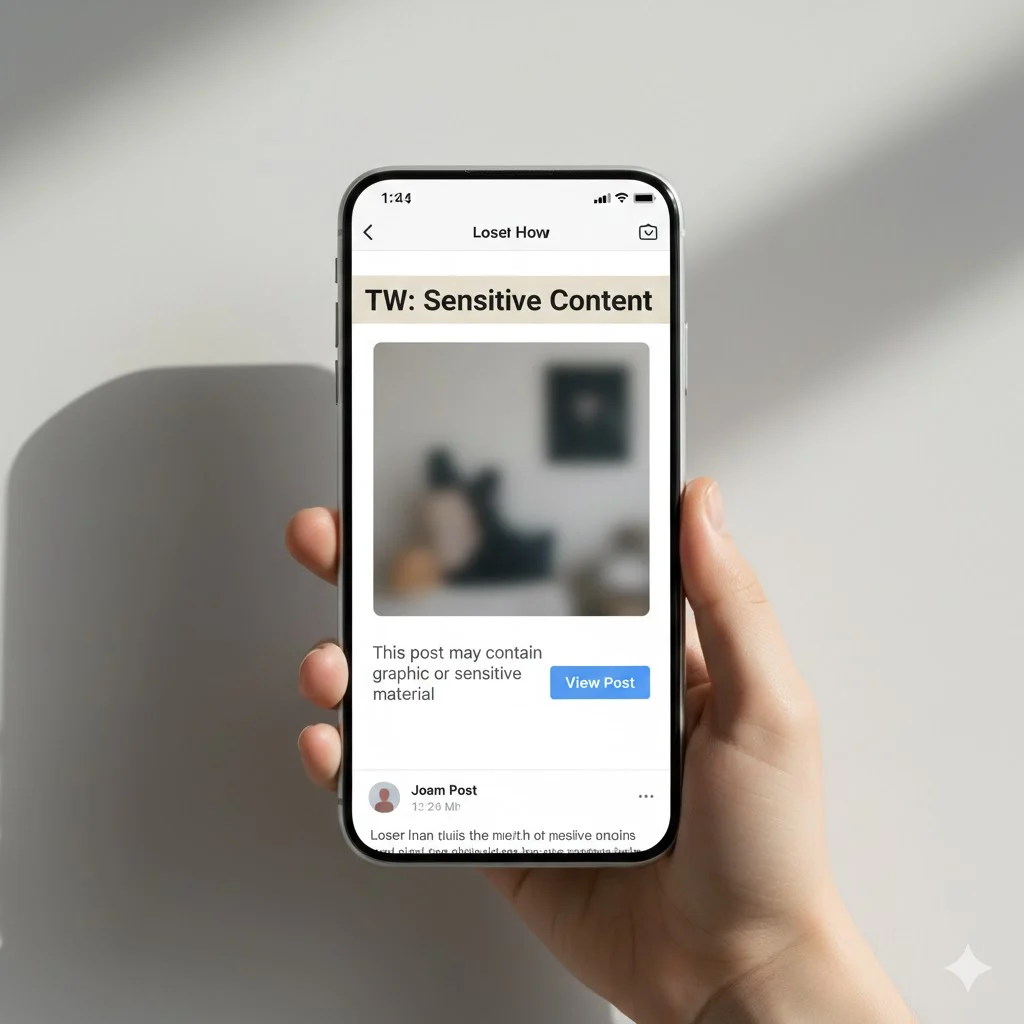

TW in text means “Trigger Warning.”
It is used to alert readers that the following content may contain sensitive, disturbing, or emotionally triggering material, such as discussions about trauma, violence, mental health, or other difficult topics.
In today’s fast-moving digital world, short abbreviations dominate conversations. Whether you’re scrolling through social media, texting friends, or browsing online forums, you’ve probably seen “TW” used before certain posts or messages. At first glance, it may look confusing. However, this small abbreviation carries an important purpose—protecting readers from sensitive or triggering content.
Understanding the TW meaning in text helps you communicate more responsibly and recognize when content may involve serious or emotional topics.
Although TW appears simple, its purpose is deeply connected to emotional awareness, online safety, and respectful communication. Therefore, knowing how and when to use TW is essential in modern digital conversations.
What Does TW Mean in Texting and Online Communication?
Primarily, TW stands for Trigger Warning. People use it to prepare others for content that could cause emotional distress or discomfort.
For example, someone may include TW before discussing:
- Mental health struggles
- Violence or abuse
- Eating disorders
- Trauma or PTSD
- Death or grief
As a result, readers can choose whether they want to continue reading.
Why Is TW Used? (Purpose and Importance)
TW exists to protect emotional well-being and promote respectful communication. Not everyone reacts to content the same way. Consequently, warnings help prevent unexpected emotional distress.
Main Reasons People Use TW
- To show empathy and consideration
- To protect individuals with trauma triggers
- To allow readers to mentally prepare
- To promote safer online spaces
- To respect personal boundaries
In other words, TW is about awareness and kindness—not censorship.
Origin of TW in Text and Internet Culture
The abbreviation TW originated in online mental health communities and forums, especially in the early 2000s.
Where TW First Appeared
- Mental health support forums
- Trauma recovery groups
- Blogging platforms like Tumblr
- Social media platforms such as Twitter and Reddit
Over time, the term spread widely. Eventually, TW became common in everyday texting, TikTok captions, Instagram posts, and group chats.
How TW Is Used in Text Messages and Social Media
Typically, TW appears at the beginning of a message, post, or caption. This placement ensures readers see the warning before viewing sensitive content.
Common Formats
- TW: Violence
- TW: Mental health
- TW – Abuse mention
- Trigger Warning: Sensitive topic
Additionally, some users combine TW with specific topic labels for clarity.
Examples of TW in Text Conversations
Understanding context makes TW easier to recognize. Below are practical examples.
Friendly Context
“TW: mental health
I’ve been struggling lately and wanted to talk.”
Tone: Honest and respectful
Social Media Context
“TW: injury
Sharing my accident recovery story.”
Tone: Informative and considerate
Serious or Emotional Context
“TW: grief
Today marks one year since I lost my friend.”
Tone: Emotional and sensitive
Example Table: TW Meaning in Different Situations
| Text Example | Meaning | Tone |
|---|---|---|
| “TW: violence” | Warning about violent content | Serious |
| “TW: eating disorder mention” | Sensitive mental health topic | Respectful |
| “TW – trauma discussion ahead” | Emotional or triggering topic | Cautious |
| “TW: loss” | Content about death or grief | Emotional |
| “TW before storytime” | Preparing audience for sensitive story | Informative |
TW vs Similar Internet Abbreviations
Several related abbreviations exist. However, their meanings differ slightly.
TW vs CW (Content Warning)
| TW | CW |
|---|---|
| Trigger Warning | Content Warning |
| Focuses on emotional triggers | Broader content warning |
| Often related to trauma | Can include general sensitive topics |
TW is more specific, while CW is more general.
TW vs FYI
| TW | FYI |
|---|---|
| Emotional warning | Informational notice |
| Protects emotional safety | Shares general information |
TW vs NSFW
| TW | NSFW |
|---|---|
| Warns about emotional triggers | Warns about inappropriate content |
| Emotional focus | Workplace appropriateness focus |
Tone and Emotional Impact of Using TW
TW carries a serious and respectful tone. Unlike casual slang, it reflects empathy and responsibility.
Respectful Tone Example
“TW: sensitive topic. Please read carefully.”
Supportive Tone Example
“TW: depression. You’re not alone if you feel this way.”
Neutral Tone Example
“TW: injury mention.”
In each case, the goal is awareness—not attention.
Alternate Meanings of TW in Text
Although Trigger Warning is the most common meaning, TW can sometimes have other interpretations depending on context.
Less Common Meanings
- TW = Twitter (rare usage)
- TW = Triggered Warning (variation)
- TW = Team Win (gaming context, uncommon)
Nevertheless, Trigger Warning remains the primary meaning in texting and social media.
When Should You Use TW?
Using TW is appropriate when sharing content that could emotionally affect others.
Use TW When Discussing
- Trauma experiences
- Mental health struggles
- Violence or abuse
- Serious injuries
- Death or grief
On the other hand, everyday topics usually don’t require TW.
When TW Is Not Necessary
In contrast, TW is not needed for normal conversations like:
- Casual jokes
- Daily activities
- General updates
- Neutral information
Overusing TW unnecessarily may reduce its effectiveness.
Professional and Polite Alternatives to TW
Sometimes, especially in formal or professional writing, alternatives may work better.
Professional Alternatives
- Content Warning
- Sensitive Topic Notice
- Viewer Discretion Advised
Formal Example
“Content Warning: This article discusses mental health topics.”
These alternatives maintain professionalism while providing clarity.
How to Respond When Someone Uses TW
Responding appropriately shows emotional awareness and respect.
Respectful Responses
- “Thank you for the warning.”
- “I appreciate you sharing this.”
- “Take care, and thanks for the heads up.”
Avoid dismissive or insensitive replies.
Why TW Matters in Modern Communication
Today’s digital spaces connect millions of people with different experiences. Therefore, emotional awareness is essential.
TW helps create:
- Safer online environments
- More respectful conversations
- Greater emotional sensitivity
- Improved mental well-being awareness
Ultimately, TW promotes empathy in digital communication.
Frequently Asked Questions (FAQ)
1. What does TW mean in texting?
TW means Trigger Warning, alerting readers about sensitive or emotional content.
2. What does TW mean on Instagram or TikTok?
On social media, TW warns viewers about potentially triggering topics.
3. Is TW serious or casual?
TW is serious and used respectfully, especially for emotional topics.
4. What is the difference between TW and CW?
TW focuses on emotional triggers, while CW is a general content warning.
5. Should I use TW in personal messages?
Yes, especially when discussing sensitive or emotional subjects.
6. Is TW only used for mental health topics?
No, it can also warn about violence, injury, or traumatic experiences.
7. How do you respond to TW?
Respond respectfully and acknowledge the warning.
8. Is TW commonly used today?
Yes, TW is widely used across social media, texting, and online communities.
Conclusion: Key Takeaways About TW Meaning in Text
- TW means Trigger Warning
- It alerts readers to sensitive or emotional content
- The abbreviation promotes respect and emotional safety
- TW is widely used in texting, social media, and online communities
- Using TW correctly shows empathy and awareness
As digital communication evolves, understanding terms like TW helps create safer and more respectful conversations.