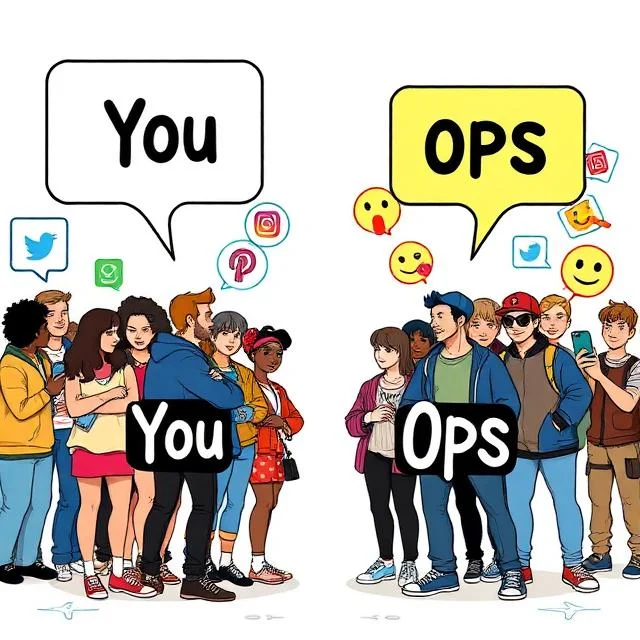

Quick Ans: Ops (slang) means “opposition” or “opponents.” It refers to people who are against you, dislike you, or act as rivals—used in both serious and casual contexts depending on tone.
The internet is full of short, catchy slang—and “ops” is one of those terms you’ve probably seen in captions, comments, or even heard in songs. From TikTok trends to everyday chats, people casually drop lines like “ignore the ops” or “he’s with the ops.”
But what does it actually mean? And more importantly, how do you use it naturally without sounding awkward?
Let’s break down the meaning of ops slang in a simple, practical, and relatable way.
What Does Ops Mean in Slang? (Simple Explanation)
At its core, ops is all about opposition—but the intensity can vary depending on how it’s used.
Main Meaning of Ops
- Opposition / Opponents
- People who are against you
- Rivals, haters, or competitors
- Can be serious or playful
Unlike some slang terms, ops doesn’t have multiple major meanings—but its tone changes a lot based on context.
Origin of Ops Slang
The term ops didn’t just randomly appear online—it comes from deeper cultural roots.
Where It Started
- African American Vernacular English (AAVE)
- Street and urban communities
- Early hip-hop and drill music
How It Spread
Over time, as music and social media grew, the word became mainstream:
- Rap lyrics popularized the term globally
- Platforms like TikTok, Instagram, and Twitter made it viral
- Everyday users adopted it in casual conversations
As a result, ops is now used worldwide, often in a much lighter and humorous way than originally intended.
Why Ops Is So Popular Online
There are a few clear reasons why this slang took off:
Key Reasons
📱 Social media trends and viral content
🎵 Heavy use in music and pop culture
⚡ Short, catchy, and easy to type
😂 Flexible tone—can be serious or funny
Because of this, ops became a go-to word for describing “people against you” in seconds.
How Ops Is Used in Real Life (Online & Chat)
You’ll usually see ops in captions, comments, or casual chats.
Common Situations
- Talking about haters or critics
- Joking with friends
- Posting confident or motivational content
- Referring to rivals in a playful way
Tone and Context: What Does Ops Feel Like?
Unlike purely emotional slang, ops can shift tone depending on how it’s used.
1. Playful / Friendly Tone
Used jokingly among friends.
“You didn’t share your food? You’re an op now ”
2. Casual / Social Tone
Used in general online conversations.
“They acting like ops for no reason.”
3. Motivational Tone
Used to ignore negativity.
“Let the ops watch, keep winning.”
4. Serious / Negative Tone
Used to describe real enemies.
“Stay alert, the ops are nearby.”
Labeled Examples of Ops Usage
| Context | Example Sentence | Meaning |
|---|---|---|
| Friends joking | “Bro didn’t invite me… he’s an op now 😂” | Playful rivalry |
| Social media | “Ignore the ops 👀” | Haters or critics |
| Motivation | “Let the ops talk.” | Ignore negativity |
| Serious talk | “He has problems with the ops.” | Real enemies |
| Chat message | “Who are the ops?” | Asking about rivals |
Ops in Different Online Communities
1. Social Media Platforms
Here, ops usually means haters or critics.
- TikTok captions
- Instagram reels
- Twitter/X posts
2. Music & Pop Culture
In songs, ops often refers to real rivals or enemies.
- Common in rap and drill music
- Often used in a serious tone
3. Friend Groups & Chat
Among friends, it’s often used jokingly.
- Playful teasing
- Light rivalry
Comparison: Ops vs Similar Internet Slang
Understanding similar words helps you use ops more naturally.
Ops vs Haters
| Ops | Haters |
|---|---|
| Can be serious or playful | Usually just negative people |
| Broader meaning | Less intense |
Enemies vs Ops
| Ops | Enemies |
|---|---|
| Informal slang | Formal and serious |
| Flexible tone | Always serious |
Ops vs Rivals
| Ops | Rivals |
|---|---|
| Casual slang | Neutral/professional |
| Emotional tone possible | Usually neutral |
Alternate Meanings of Ops (Outside Slang)
While ops is mainly slang for opposition, it can also mean other things:
- Operations (business or military context)
- Ops team (short for operations team)
- Sometimes confused with “oops” (a mistake)
So again—context is everything.
Polite or Professional Alternatives to Ops
In formal situations, slang like “ops” doesn’t fit well.
Instead, Use:
- Competitors
- Opponents
- Critics
- Rivals
- Adversaries
Example:
Instead of: “Ignore the ops”
Say: “Ignore the critics.”
Do’s and Don’ts of Using Ops
✅ Do
- Use it in casual conversations
- Understand the tone before using
- Keep it light in friendly contexts
❌ Don’t
- Use it in professional communication
- Overuse it (can sound forced)
- Use it seriously without understanding context
Frequently Asked Questions (FAQ)
1. What does ops mean in slang?
Ops means opposition or opponents, referring to people against you.
2. What does “the ops” mean?
It refers to a group of rivals, haters, or enemies.
3. Is ops a bad word?
No, but it can sound negative depending on how it’s used.
4. What does “he’s an op” mean?
It means he’s not on your side—possibly a rival or enemy.
5. Is ops the same as haters?
Not exactly. Ops can be more serious than just haters.
6. Where did ops slang come from?
It originated from AAVE and hip-hop culture, then spread online.
7. Can I use ops in texting?
Yes, it’s commonly used in chats and social media.
8. Should I use ops in professional settings?
No, it’s better to use words like competitors or critics.
Why Ops Matters in Today’s Digital World
In today’s fast-moving online world, people love quick, expressive slang. Words like ops help communicate emotions, rivalry, and confidence in just a few letters.
At the same time, it reflects how language evolves—from specific communities to global usage.
Conclusion: Key Takeaways About Ops Meaning in Slang
- Ops means opposition or opponents
- It can refer to haters, rivals, or enemies
- Tone can be playful, casual, or serious
- Widely used in social media, music, and chats
- Best avoided in professional communication
In simple terms, “ops” is a modern way of saying: “people who are against you.”
Whether you’re joking with friends or posting confidently online, using it correctly helps you sound natural and in-the-know.