
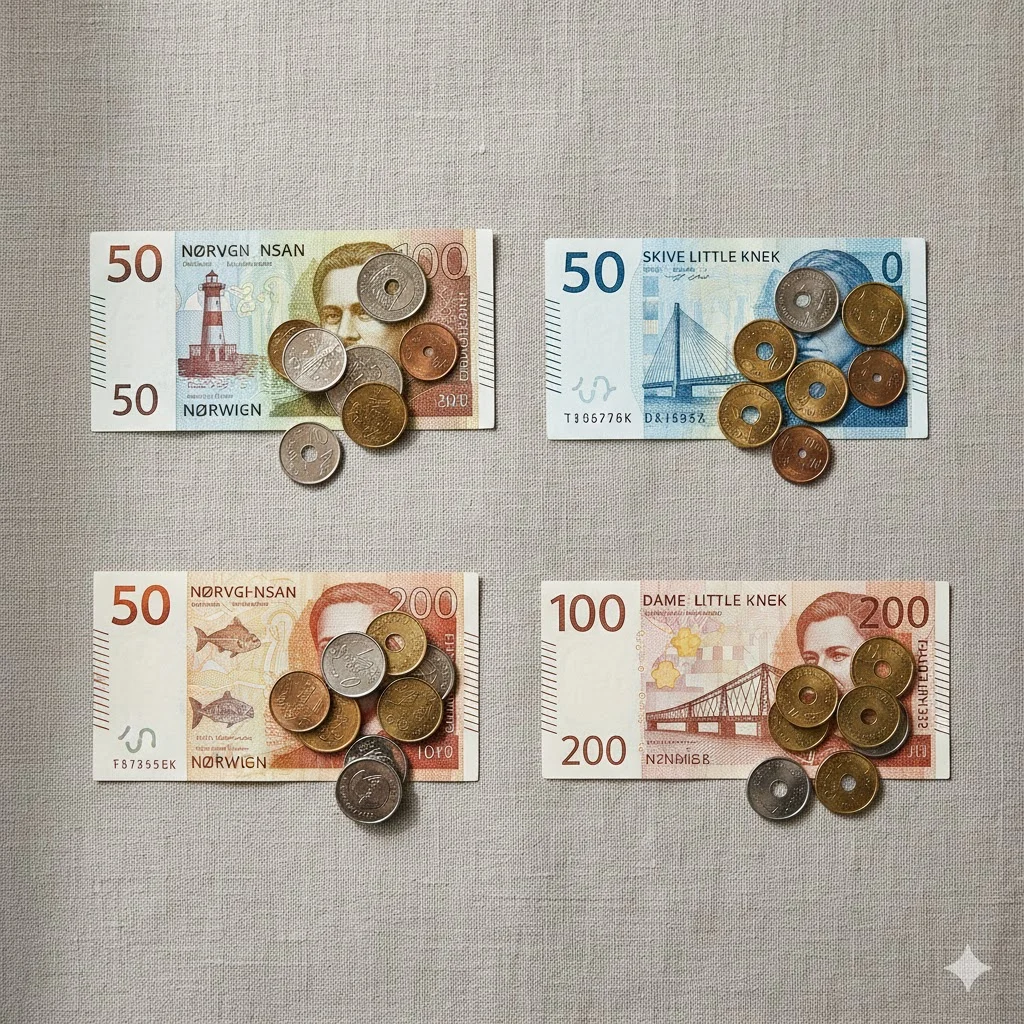

Kroner is the plural form of krone, which means “crown” and refers to the official currency used in several Scandinavian countries, including Denmark and Norway. It represents units of money, similar to dollars or euros.
Money connects economies, cultures, and daily life. However, if you’ve ever traveled to Scandinavia, checked international exchange rates, or shopped online from Nordic countries, you’ve probably seen the term kroner. At first, it may sound unfamiliar, yet millions of people use kroner every single day.
So, what exactly does kroner mean? Is it a currency, a unit of value, or something else entirely? More importantly, why do several countries use it, and how does it compare to dollars, euros, or pounds?
In this complete guide, you’ll discover the true kroner meaning, its origin, pronunciation, value, usage, and real-world examples. Additionally, you’ll learn how kroner works in different countries and when to use the term correctly.
Although kroner simply means “crowns,” its role in global finance and everyday transactions is much more significant. Therefore, understanding kroner helps you navigate international travel, currency exchange, and global economics more confidently.
What Does Kroner Mean? (Simple Explanation)
At its core, kroner refers to units of currency used in Nordic countries. Specifically, it is the plural form of the word krone.
Singular vs Plural Form
- Krone = one unit of currency
- Kroner = multiple units of currency
For example:
- 1 krone
- 10 kroner
- 100 kroner
This distinction works similarly to dollar and dollars.
Origin of the Word Kroner
Understanding the origin of kroner helps explain why multiple countries use the same term.
Meaning of Krone
The word krone comes from the Latin word corona, which means crown. Historically, crowns symbolized royal authority and sovereignty. As a result, many European currencies adopted crown-related names.
Historical Background
During the late 19th century, Scandinavian countries formed a monetary agreement called the Scandinavian Monetary Union. Consequently, Denmark, Norway, and Sweden introduced similar currencies named after the crown.
Even after the union ended, these countries continued using their own versions of kroner.
Countries That Use Kroner Today
Although kroner originated in a shared system, each country now has its own independent currency.
Major Countries Using Kroner
| Country | Currency Name | Symbol | Example |
|---|---|---|---|
| Denmark | Danish Krone | DKK | 100 kroner |
| Norway | Norwegian Krone | NOK | 200 kroner |
Related Currency: Krona
Sweden uses a similar term called krona, and the plural is kronor.
Although the names differ slightly, they share the same origin and meaning.
How Kroner Is Used in Real Life
Kroner functions just like any other currency. People use it for daily purchases, salaries, and financial transactions.
Common Situations Where Kroner Is Used
- Paying for food in Norway
- Shopping in Denmark
- Checking exchange rates
- Sending international payments
- Booking hotels or flights
For example:
“This meal costs 150 kroner.”
“I exchanged my dollars for Norwegian kroner.”
Pronunciation of Kroner
Many English speakers wonder how to pronounce kroner correctly.
Correct Pronunciation
Kroner: KROH-ner
Breakdown:
- “Kroh” sounds like “crow”
- “ner” sounds like “ner” in “nerve”
However, pronunciation may vary slightly depending on the country and accent.
Tone and Context: How Kroner Is Used in Conversation
Kroner is primarily a neutral, factual term. Nevertheless, its tone may vary slightly depending on context.
1. Neutral Financial Tone
Used in banking, travel, or economic discussions.
“The hotel costs 800 kroner per night.”
2. Informational Tone
Common in educational or currency explanations.
“Norway uses kroner instead of euros.”
3. Travel and Casual Tone
Used when discussing prices while traveling.
“Coffee costs around 40 kroner here.”
4. Professional or Business Tone
Used in trade, finance, and international business.
“The payment will be made in Danish kroner.”
Example Table Showing Kroner Usage
| Situation | Example Sentence | Meaning |
|---|---|---|
| Travel | “Taxi fare is 250 kroner.” | Cost in local currency |
| Shopping | “The jacket costs 900 kroner.” | Price of item |
| Exchange | “I converted USD to kroner.” | Currency conversion |
| Salary | “He earns 30,000 kroner monthly.” | Income amount |
| Banking | “Funds were transferred in kroner.” | Financial transaction |
Kroner vs Other Currencies (Comparison)
Understanding kroner becomes easier when compared to familiar currencies.
Kroner vs Dollar
| Kroner | Dollar |
|---|---|
| Used in Norway and Denmark | Used in USA and other countries |
| Symbol: kr | Symbol: $ |
| Value varies by exchange rate | Global reserve currency |
Kroner vs Euro
| Kroner | Euro |
|---|---|
| Used in Nordic countries | Used across Eurozone |
| Independent national currencies | Shared currency |
| Separate exchange rates | Single standardized value |
Currency Symbol for Kroner
The official symbol is:
kr
Examples:
- 100 kr
- 500 kr
- 1,000 kr
Sometimes, abbreviations clarify the country:
- NOK = Norwegian krone
- DKK = Danish krone
Exchange Rate and Value of Kroner
The value of kroner changes depending on global markets.
For example:
- 1 USD ≈ 10–11 Norwegian kroner (approximate)
- Exchange rates fluctuate daily
Therefore, travelers should always check current rates before converting money.
Alternate Meanings of Kroner
Although kroner mainly refers to currency, it may occasionally appear in other contexts.
Less Common Meanings
- Historical currency references
- Financial reports
- Economic comparisons
However, in most situations, kroner simply means money.
When to Use the Word Kroner
Use kroner when referring to:
- Norwegian currency
- Danish currency
- Prices in Nordic countries
- Financial or travel contexts
For example:
Correct:
“The price is 200 kroner.”
Incorrect:
“The price is 200 kroners.”
(Kroner is already plural.)
Professional and Informal Alternatives
Depending on context, you may use related terms.
Formal Financial Terms
- Currency
- Monetary unit
- Local currency
Informal Terms
- Money
- Cash
- Funds
However, kroner remains the correct term for Nordic currencies.
Frequently Asked Questions (FAQ)
1. What does kroner mean?
Kroner is the plural form of krone, which refers to currency used in Denmark and Norway.
2. Which countries use kroner?
Denmark and Norway currently use kroner.
3. What is the difference between krone and kroner?
Krone is singular, while kroner is plural.
4. Is kroner the same as krona?
They share the same origin, but krona is used in Sweden.
5. What is the symbol for kroner?
The symbol is kr.
6. How much is one kroner in dollars?
Its value varies based on exchange rates.
7. Is kroner stronger than the dollar?
It depends on market conditions and exchange rates.
8. How do you pronounce kroner?
It is pronounced as KROH-ner.
Why Understanding Kroner Matters
Learning about kroner helps travelers, students, and professionals navigate international finance. Moreover, it improves your understanding of global currencies and exchange systems.
Because Nordic countries have strong economies, kroner remains an important currency worldwide.
Conclusion: Key Takeaways About Kroner Meaning
- Kroner is the plural form of krone
- It means crown and represents Nordic currency
- Denmark and Norway use kroner today
- The symbol is kr
- It functions like dollars, euros, or pounds
- Exchange rates determine its value
Ultimately, kroner is more than just a word—it represents the financial identity of entire nations.