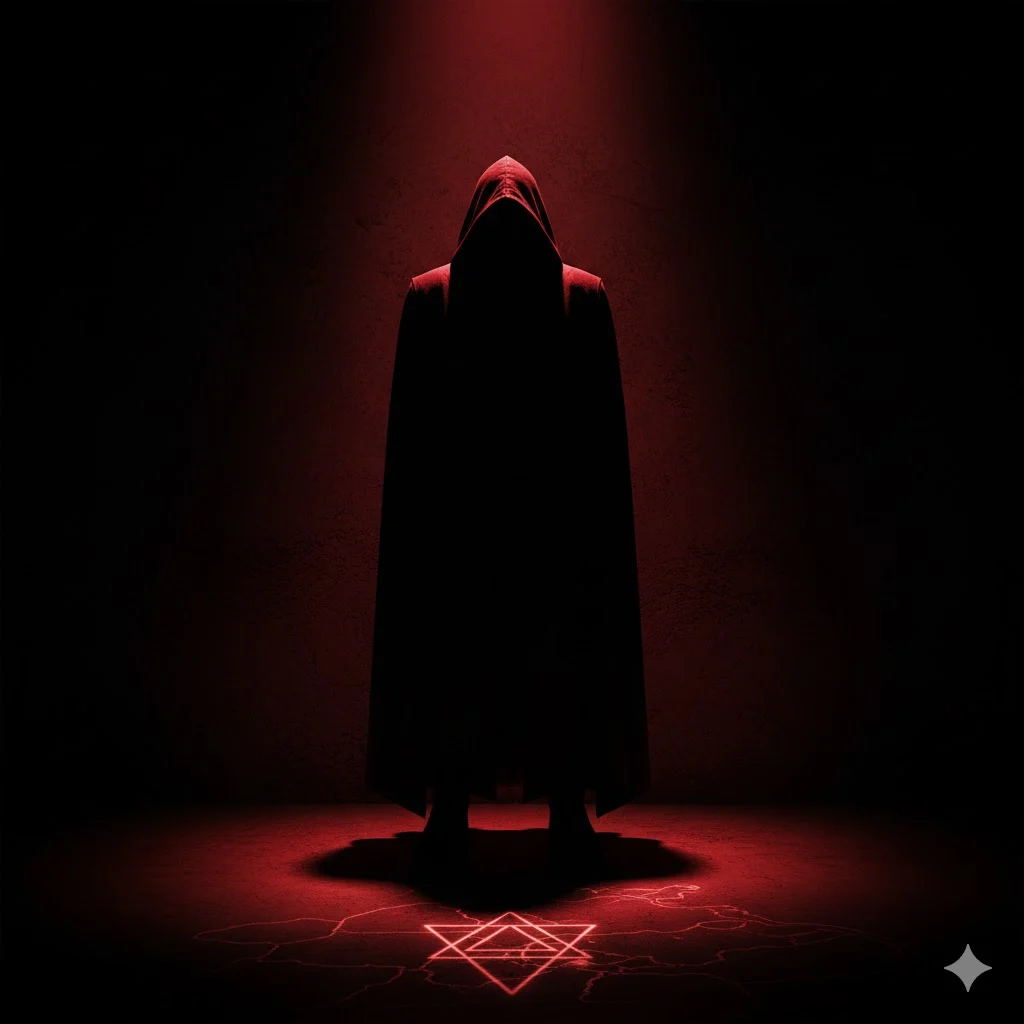

Diabolical means extremely evil, cruel, or wicked.
It describes actions, plans, or behavior that are morally wrong, malicious, or shockingly bad. Additionally, it can sometimes refer to something cleverly harmful or mischievous in a dramatic or exaggerated way.
Some words instantly create a strong reaction—and diabolical is one of them. It sounds intense, dramatic, and even dangerous. Whether you hear it in movies, read it in books, or see it online, the word diabolical usually describes something extremely evil, cruel, or shockingly wicked.
However, depending on context, it can also be used humorously to describe clever mischief or brilliantly evil plans. Therefore, understanding the true meaning of diabolical, along with its tone and usage, helps you use it correctly and confidently.
Although the word originally had strong religious and moral implications, modern usage has expanded. As a result, it now appears in everyday conversations, entertainment, and online culture.
What Does Diabolical Really Mean? (Simple Explanation)
At its core, diabolical describes something that feels intensely evil, cruel, or malicious. In many cases, it refers to behavior or plans that are intentionally harmful or morally disturbing.
Simple Meaning in Everyday Language
- Extremely evil
- Shockingly cruel
- Wicked or malicious
- Sinister or villain-like
For example:
“The villain’s diabolical plan shocked everyone.”
In addition, the word can sometimes exaggerate minor mischief in a playful or humorous way.
Origin of Diabolical
Understanding the origin of diabolical helps explain why the word sounds so intense.
Historical and Linguistic Roots
The word diabolical comes from:
- Greek: diabolos — meaning devil or accuser
- Latin: diabolicus — meaning of the devil
- Old French: diabolique — meaning devilish
Eventually, the word entered English in the 14th century.
Because of these roots, diabolical originally referred to something directly related to the devil. Over time, however, its meaning expanded to describe extremely evil or cruel behavior more generally.
Why Diabolical Is Still Popular Today
Despite its ancient origin, diabolical remains widely used in modern English. Several factors explain its continued popularity.
Key Reasons for Its Modern Usage
- Appears frequently in movies, TV shows, and novels
- Used to describe villains and evil characters
- Common in dramatic storytelling
- Popular in humorous exaggeration online
For instance, social media users may jokingly call a friend’s prank “diabolical.”
How Diabolical Is Used in Real Life
The word diabolical can describe people, actions, plans, situations, or even ideas.
Common Situations Where It’s Used
- Describing fictional villains
- Talking about cruel or immoral behavior
- Reacting to shocking actions
- Describing clever but evil plans
- Humorously exaggerating mischief
Because of its dramatic tone, it adds emotional impact to descriptions.
Tone and Context: Understanding How Diabolical Feels
The tone of diabolical changes depending on context. Sometimes it feels serious and dark, while other times it feels playful.
1. Serious and Negative Tone
Used to describe genuinely cruel or evil behavior.
“The dictator’s diabolical actions caused widespread suffering.”
This usage carries strong moral judgment.
2. Dramatic or Storytelling Tone
Common in books, movies, and fictional narratives.
“The villain revealed his diabolical master plan.”
This tone enhances suspense and intensity.
3. Playful or Humorous Tone
Sometimes used jokingly to exaggerate harmless mischief.
“You ate the last slice of pizza? That’s diabolical 😈”
In this case, the meaning is exaggerated for humor.
4. Admiring Clever Evil Tone
Occasionally used to describe clever but morally questionable intelligence.
“That was a diabolical strategy—brilliant but ruthless.”
Here, the word highlights intelligence mixed with cruelty.
Labeled Examples of Diabolical Usage
| Context | Example Sentence | Tone |
|---|---|---|
| Fiction | “The villain created a diabolical trap.” | Dramatic |
| Serious real-life | “The criminal committed a diabolical act.” | Strong negative |
| Humor | “Stealing my snacks is diabolical 😄” | Playful |
| Strategy | “His diabolical plan worked perfectly.” | Admiring cleverness |
| Reaction | “That twist was absolutely diabolical.” | Shocked |
Diabolical in Movies, Books, and Pop Culture
Villains are often described as diabolical because the word instantly signals evil intent.
Common Pop Culture Usage
- Evil masterminds
- Cruel villains
- Twisted plans
- Dark personalities
For example, fictional villains frequently have diabolical schemes designed to cause chaos.
Because of this association, the word adds emotional weight and drama.
Comparison: Diabolical vs Similar Words
Understanding similar words helps clarify when to use diabolical.
Diabolical vs Evil
| Diabolical | Evil |
|---|---|
| More dramatic | More general |
| Often exaggerated | Commonly used |
| Strong emotional impact | Neutral intensity |
Diabolical vs Wicked
| Diabolical | Wicked |
|---|---|
| Extremely evil | Mild to strong evil |
| Serious tone | Sometimes playful |
| More dramatic | More flexible |
Diabolical vs Sinister
| Diabolical | Sinister |
|---|---|
| Clearly evil | Suggests hidden evil |
| Direct cruelty | Suspicious or threatening |
| Stronger intensity | Subtle intensity |
Alternate Meanings of Diabolical
Although the primary meaning involves extreme evil, modern usage includes additional interpretations.
Alternate Interpretations
- Extremely cruel
- Shockingly bad
- Cleverly evil
- Dramatically mischievous
In humorous contexts, it may simply mean “very naughty” or “shockingly clever.”
Professional and Polite Alternatives to Diabolical
In formal or professional communication, softer alternatives may be more appropriate.
Formal Alternatives
- Cruel
- Malicious
- Harmful
- Unethical
Neutral Alternatives
- Harsh
- Severe
- Problematic
Playful Alternatives
- Mischievous
- Sneaky
- Naughty
Choosing the right alternative depends on tone and audience.
Do’s and Don’ts of Using Diabolical
Do
- Use it to emphasize extreme cruelty
- Use it in storytelling for dramatic effect
- Use it humorously in casual conversations
Don’t
- Use it in formal professional settings unnecessarily
- Overuse it in serious contexts
- Use it inaccurately for minor issues without exaggeration intent
Frequently Asked Questions (FAQ)
1. What does diabolical mean in simple words?
Diabolical means extremely evil, cruel, or wicked.
2. Is diabolical always negative?
Mostly yes. However, it can sometimes be used humorously.
3. Does diabolical mean smart?
Not exactly. Still, it may describe clever but evil plans.
4. Is diabolical related to the devil?
Yes. The word originates from a term meaning devil.
5. Can diabolical describe a person?
Yes. It can describe someone extremely cruel or evil.
6. Is diabolical used in modern English?
Yes. It appears frequently in conversations and entertainment.
7. What is an example of diabolical behavior?
A villain creating a cruel and harmful plan.
8. Is diabolical formal or informal?
It can be used in both, although it is more common in informal or dramatic contexts.
Why Diabolical Remains a Powerful Word
Words like diabolical create strong emotional impact. Because of its dramatic tone, it makes descriptions more vivid and memorable.
Moreover, its flexibility allows usage in serious, fictional, and humorous contexts.
Conclusion: Key Takeaways About Diabolical Meaning
- Diabolical means extremely evil, cruel, or wicked
- The word comes from ancient terms related to the devil
- It appears in storytelling, conversation, and pop culture
- Tone may be serious, dramatic, or humorous
- Proper usage depends on context and intention
Ultimately, diabolical is a powerful word that adds intensity, drama, and emotional depth to communication.