
BPT full form is Bachelor of Physiotherapy.
It is a 4 to 4.5-year undergraduate medical degree that focuses on physical therapy, rehabilitation, injury treatment, and improving mobility through exercise, manual therapy, and modern physiotherapy techniques.
Choosing the right career path in healthcare can be life-changing. Among the many professional medical courses available today, BPT has become increasingly popular for students interested in rehabilitation, physical therapy, and patient care. However, many students and parents often search online asking a simple but important question: What is the BPT full form?
Understanding the meaning of BPT is the first step toward learning about this healthcare career. In addition, knowing the course structure, eligibility requirements, career opportunities, and real-world applications can help students make informed decisions about their future.
Unlike many traditional medical programs, BPT emphasizes non-surgical treatment methods. As a result, physiotherapists play an essential role in helping patients recover from injuries, surgeries, and long-term physical conditions.
In this comprehensive guide, we’ll explore the BPT full form, course details, eligibility, subjects, career opportunities, salary expectations, and frequently asked questions to help you fully understand this growing healthcare profession.
What Is BPT? Understanding the Full Meaning
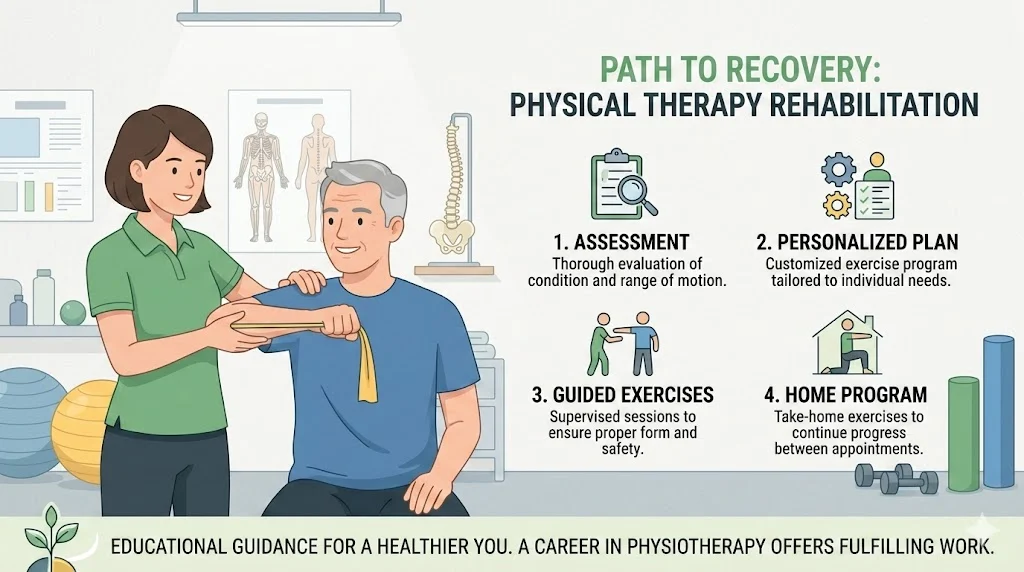
The Bachelor of Physiotherapy (BPT) is an undergraduate healthcare degree designed to train students in physical rehabilitation and movement science.
Physiotherapists help people:
- Recover after accidents or surgeries
- Improve mobility and flexibility
- Manage chronic pain conditions
- Restore muscle strength and balance
- Prevent further injuries
Because of these responsibilities, physiotherapists often work closely with doctors, orthopedic specialists, neurologists, and sports trainers.
Origin and Growth of Physiotherapy Education
Physiotherapy as a profession has evolved significantly over the last century. Initially, physical therapy techniques were used during World War I and World War II to help injured soldiers regain mobility.
Over time, the field developed into a specialized medical discipline with structured education programs like BPT.
Why the BPT Course Is Growing in Popularity
Several factors have contributed to the growing demand for physiotherapists:
- Increasing sports injuries
- Rising cases of lifestyle-related health issues
- Higher awareness of rehabilitation therapy
- Aging populations requiring mobility support
- Greater focus on non-surgical treatment methods
Consequently, BPT has become one of the most promising allied health science courses.
Duration of the BPT Course
The BPT program typically takes 4 to 4.5 years to complete.
Course Structure
| Component | Duration |
|---|---|
| Academic study | 4 years |
| Clinical internship | 6 months |
| Total duration | 4.5 years |
During the internship period, students gain hands-on experience in hospitals, rehabilitation centers, and clinics.
Eligibility Criteria for BPT
Students interested in pursuing BPT must meet certain educational requirements.
Basic Eligibility Requirements
- Completion of 12th grade (or equivalent)
- Subjects required: Physics, Chemistry, and Biology
- Minimum marks: Usually 50–60%, depending on the institution
- Some universities may conduct entrance exams
Common Entrance Exams (In Some Regions)
- University-level entrance tests
- State medical entrance exams
- Institutional admission tests
However, many colleges also offer merit-based admissions.
Subjects Studied in BPT
The Bachelor of Physiotherapy curriculum covers a wide range of medical and rehabilitation subjects.
Core Subjects
- Human Anatomy
- Human Physiology
- Biomechanics
- Exercise Therapy
- Electrotherapy
- Orthopedic Physiotherapy
- Neurological Physiotherapy
- Cardiopulmonary Physiotherapy
Additionally, students study clinical training and rehabilitation techniques.
BPT Course Subjects by Year
| Year | Major Subjects |
|---|---|
| 1st Year | Anatomy, Physiology, Biochemistry |
| 2nd Year | Pathology, Microbiology, Pharmacology |
| 3rd Year | Orthopedics, General Medicine, Exercise Therapy |
| 4th Year | Neurology, Rehabilitation, Physiotherapy Practice |
| Internship | Clinical training in hospitals |
This structured curriculum ensures students gain both theoretical knowledge and practical skills.
Real-World Usage of BPT Degree
Graduates with a BPT degree work in various healthcare environments.
Common Workplaces for Physiotherapists
- Hospitals
- Rehabilitation centers
- Sports clinics
- Private physiotherapy clinics
- Fitness and wellness centers
- Nursing homes
- Research institutions
Moreover, many physiotherapists choose to start their own private practice.
Examples of BPT in Professional Context
| Context | Example Sentence | Tone |
|---|---|---|
| Academic | “She completed her BPT degree from a reputed medical college.” | Neutral |
| Career discussion | “After BPT, he started working as a physiotherapist in a sports clinic.” | Professional |
| Education planning | “I’m planning to pursue BPT because I’m interested in rehabilitation therapy.” | Informative |
| Healthcare environment | “The patient’s recovery improved significantly with BPT treatment.” | Clinical |
BPT vs Related Medical Degrees
Understanding how BPT compares with other healthcare degrees can help students choose the right path.
BPT vs MBBS
| BPT | MBBS |
|---|---|
| Focus on rehabilitation | Focus on medical diagnosis |
| Non-surgical treatments | Full medical practice |
| 4–4.5 years duration | 5.5 years duration |
BPT vs BSc Nursing
| BPT | BSc Nursing |
|---|---|
| Rehabilitation therapy | Patient care and nursing |
| Focus on movement and recovery | Focus on overall patient support |
| Physiotherapy techniques | Clinical nursing procedures |
BPT vs Occupational Therapy
| BPT | BOT |
|---|---|
| Physical mobility treatment | Daily activity rehabilitation |
| Focus on muscles and joints | Focus on daily living skills |
Career Opportunities After BPT
After completing the Bachelor of Physiotherapy degree, graduates have multiple career paths available.
Popular Job Roles
- Physiotherapist
- Sports Physiotherapist
- Rehabilitation Therapist
- Clinical Physiotherapy Specialist
- Fitness Consultant
- Lecturer (after higher studies)
Additionally, many professionals pursue advanced specialization.
Higher Studies After BPT
Students who want to expand their expertise can pursue postgraduate courses.
Common Higher Education Options
- MPT (Master of Physiotherapy)
- MBA in Healthcare Management
- PhD in Physiotherapy
- Sports Physiotherapy specialization
As a result, career growth opportunities become significantly broader.
Average Salary After BPT
Salary can vary depending on experience, location, and specialization.
| Experience Level | Average Salary |
|---|---|
| Fresh graduate | $3,000 – $6,000 per year (varies by country) |
| Mid-level | $8,000 – $15,000 |
| Experienced | $20,000+ |
Private clinics and sports teams may offer higher earnings for experienced physiotherapists.
Professional and Academic Alternatives to BPT
If BPT does not align perfectly with your career goals, several related healthcare courses are available.
Similar Courses
- BSc Nursing
- Occupational Therapy (BOT)
- Medical Laboratory Technology (MLT)
- Radiology Technology
- Sports Science
Each of these programs contributes to the allied healthcare sector.
Frequently Asked Questions (FAQ)
1. What is the full form of BPT?
BPT stands for Bachelor of Physiotherapy, an undergraduate degree focused on rehabilitation and physical therapy.
2. How many years is the BPT course?
The program typically lasts 4 years plus a 6-month internship, totaling about 4.5 years.
3. Is BPT a medical degree?
Yes, BPT is considered an allied medical science degree, specializing in physiotherapy and rehabilitation.
4. What subjects are required for BPT?
Students must study Physics, Chemistry, and Biology in their 12th grade.
5. Can BPT students be called doctors?
Physiotherapists are healthcare professionals but not medical doctors unless they pursue an MBBS degree.
6. Is BPT a good career option?
Yes. Growing healthcare needs and rehabilitation demand make physiotherapy a stable and rewarding career.
7. What can I do after BPT?
Graduates can work as physiotherapists, pursue MPT, or open private clinics.
8. What is the difference between BPT and MPT?
BPT is an undergraduate degree, while MPT is a postgraduate specialization in physiotherapy.
Conclusion: Key Takeaways About BPT Full Form
Understanding the BPT full form — Bachelor of Physiotherapy — is the first step toward exploring a rewarding healthcare career.
Here are the most important points to remember:
- BPT is a 4–4.5 year undergraduate physiotherapy degree
- The program focuses on rehabilitation and non-surgical treatment
- Graduates can work in hospitals, sports clinics, and rehabilitation centers
- Career growth improves with specializations and higher studies
Ultimately, physiotherapy combines science, compassion, and practical skill to improve people’s lives.